Spain has been great! Like all trips, it has been an odd combination of feeling that our time has passed quickly and in retrospect feeling that our five weeks here has been a long time indeed. Our journey started in Madrid, and challenged and exceeded my expectations in a number of ways. For starters, Madrid is a much bigger and more urban city than I had expected. In fact, it may be the biggest city that I have ever actually lived in. The sounds of cars and sights of people are constant and can both be exciting and overwhelming. With these aspects of urbanism came many welcome surprises. Although I was well aware that Madrid housed some of the finest art museums in the world, I was awed by the sheer wealth of paintings that I have studied and seen in photos. It is a wonder that any of the famous ones are left for the rest of the world. In short, Madrid truly is a cultural and social hub deserving of its capital status.
Our trip south into Andalusia was equally rewarding, but in very different ways. Each of the cities that we visited, Sevilla, Granada, and Cordoba are, and certainly felt, much smaller than Madrid. Consequently, I felt a little bit more at ease wandering their streets and slowing down physically and mentally. The greatest surprise and treat of the south was the awe-inspiring concentration and quality of Moorish art and architecture. The Nasrid Palaces are, without any doubt, the most stunning spaces I have ever been in. The time we spent there absolutely flew by and I wish I could have hit a pause button. The orange trees in each city and the beauty of the river flowing beneath the bridge in Cordoba reminded me of the subtle features in space that I value most, and brought a visual refreshment needed after weeks in the urban streets of Madrid.
Goodbye Spain! Be back soon, I hope!
-Andrew
We spent the first three weeks in the capital of Spain, it is a good start for me to get a first impression of european cities. A week spent in andalusia can be set another version of European life. Also, the way we used to read these places is different from each other. For Madrid, we often wondered around the city and extended our footprint to the river district and some southern part. We went to the famous museums and got some history background about the city. All these depth exploration help me understand the city better. Since Madrid is the capital of Spain, it combines many parts of the city, history, culture, life style, political issue, society situation. It can be seen as complex and abundant. The deepest impression Madrid left to me is their passion for art. Every aspect of the city tells the story between them and art. The gorgeous architectures around the city center, people flow in all those museum, even some small unnoticeable street corner all indicate how they appreciate art in their life. Another part of Madrid I really enjoy is strong life atmosphere here. Probably because the scale for the city makes people’s movement stronger. The wide street provides people places to stay and walk and people can enjoy their meal time and coffee break outside in the sunshine. All these are vividly presented in front of me.
The trip to Andalusia from my perspective is loose. The environment in these places is wonderful. We spent two days in each one and went directly to the spots we need to visit. Also, we used our drawing materials to read all of them. I dig deeply into it and remember some representative structures, which I never experienced. Every impression I created for these cities is all about the landmark of each one, cathedrals, palaces and church. Unlike Madrid, I may think of many different places. But in these cities, I only remember the most important one. Another thing I notice about the three cities is how they maintain their life. Madrid strongly combines many aspects from other countries, it learns ways to adjust to the change. However, these three would like to stay what they are. They keep their lifestyle and language and remain their life.
Overall, Madrid can be set as the typical big city with the hustle and bustle. Andalusia are loose and small cities to enjoy relaxing and slow pace life.
-Yungui
Living in a world of pavers and robust transit also known as Madrid for several weeks gave me a sense of the flow of the city. The long walks from the metro lines consisted of a series of small shops with varying sidewalk lengths ranging from 6feet to 6inches. The streets though always packed with cars also has a constant flow of people either commuting to work in the morning or going to lunch in the afternoon. Late afternoon consists of mostly people commuting home from work and parents taking their kids to and from sporting events, and others visiting the grocery. There seems to be a time between 8 pm to midnight that is allocated for dinner. From midnight to 8 am is when most people in Madrid go out to enjoy Madrid’s nightlife. Those that can bear to stay up that late go to the increasingly gentrifying neighborhood of Malasana to enjoy a beer paired with a late night snack or go to the discotech to dance. The following morning the late night bars and restaurants remain closed until around 10 pm. Madrid was much more uban and dense than I first thought with many niche scenes that change from block to block. The first thing I noticed was the consistent height of the highrises ranged from 8 to 10 stories that increases shade throughout the day. The result of the consistent height of the buildings also resulted in a lack of sightlines that in Minneapolis I took for granted. For me getting familiar with the route home was difficult for this reason and the lack of major landmarks to help construct a mental map. The narrow streets in Andalucia are similar to that of madrid but it seemed easier to move around such as in Granada the high sloped neighborhoods allowed for large sightlines to give directionality. In Seville and Cordoba they both had large landmarks such as large cathedrals and mosques, but also large landform landmarks such as rivers. The Cities in Andalucia that we visited: Seville, Granada, and Cordoba were amazing in that they housed some hundreds of years of historical structures while also facilitating a modern city and thousands of tourists a year.
-Dakota
Madrid and the cities of Andalusia that we visited are distinctive in various ways; the first being in cultural identity, the second infrastructure and the third being city management.
Madrid is a large city with a population of about 6 million people. This requires inventive ways to handle infrastructure and make the city as livable as possible. Roads and highways have been placed underground and roundabouts are used to increase the fluidity of the traffic. This all goes on while maintaining a consistent fluidity in pedestrian movement across the city. Madrid has many historical buildings and monuments, including the Palacio Real, attracting much tourism, but unlike the smaller cities we visited, Madrid also has to support a large working population. A massive public transportation system of buses, trains, subways and light rail covers the entire metro area. The management of Madrid is robust, including cleaning the city streetscapes as well as managing the pollution issues that excessive traffic has caused by the influx of contaminants in the city. The city has instigated policies such as Madrid Central, an environmental clean air initiative that is rolling into effect over the coming months to regulate vehicle traffic in certain areas. Many streets in the city center have been closed to traffic with plans for many more pedestrian only streets in the future. These factors all help keep the large city clean and functioning.
Sevilla is in large part a tourist town that thrives off of the monetary gains brought by travelers. It has a rich cultural past with famous attractions such as the Royal Alcázar, the Plaza de España, the Catedral de Sevilla and La Giralda, some of which date back to the 1400’s. Sevilla has a population under 1 million and seemed to be more open and walkable than Madrid, with bike lanes and a light rail system that had tracks imbedded into the street, making walkability over the tracks effortless. There were many pedestrian only streets in the old parts of town. Like the other small cities we visited, Sevilla is making strides towards improving air quality with cleaner electric work vehicles in various parts of the town. In general if felt cleaner than Madrid.
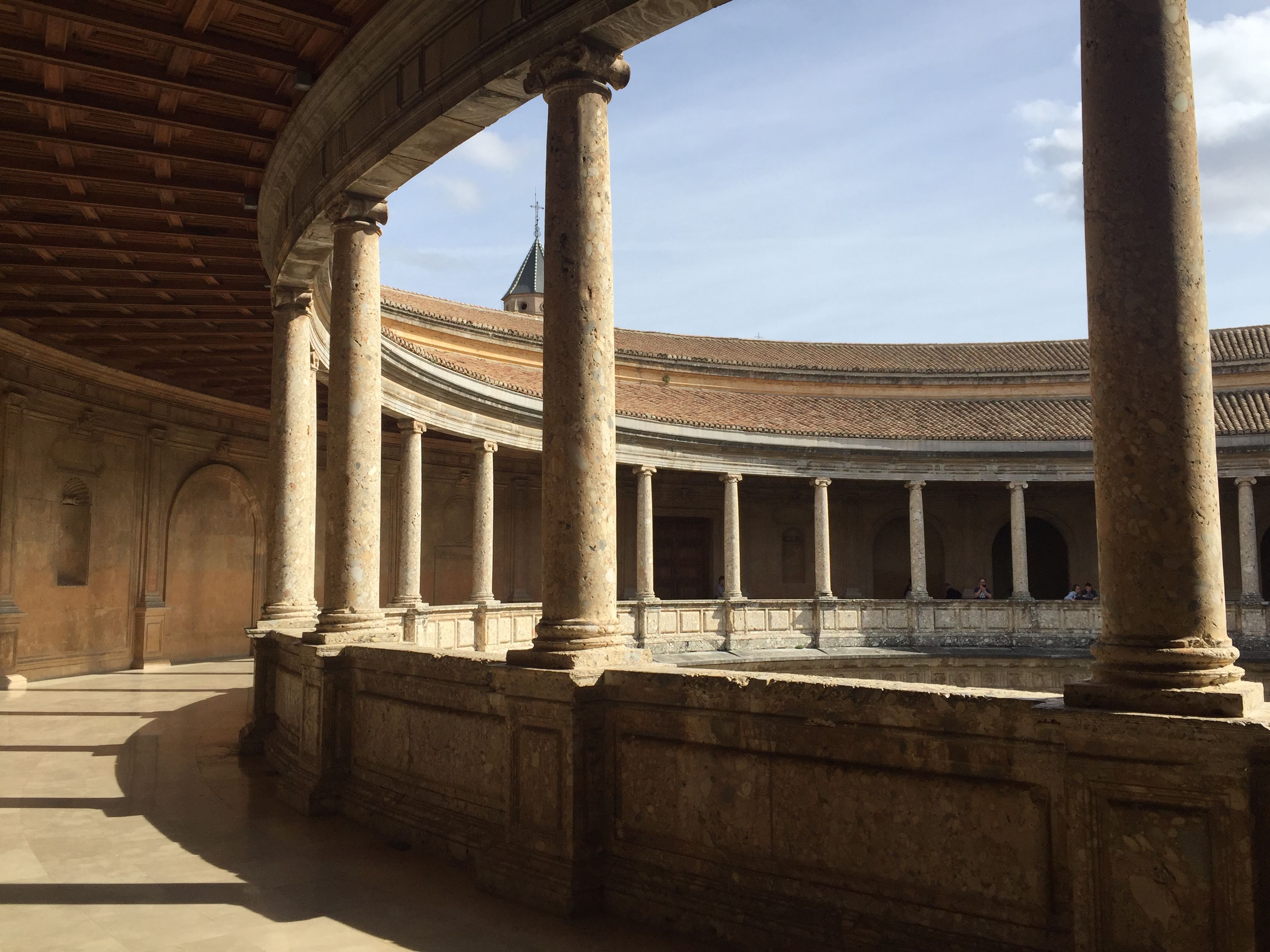
Granada was the smallest city we visited. Among its world famous attractions is the Alhambra, a sprawling complex of Moorish buildings that was rebuilt in the 13th century when the Catholics came into power. This city lies in a valley and the Alhambra and the compact white-washed old city, called the Albaicin, are built on the hillsides, rising above the city. Granada has to support enormous year-round tourism. Its many narrow winding backstreets that lead into the steeply cobblestoned alleys of the Albaicin are filled with shops and restaurants. It is known for its religious processions during major holidays. It was more interesting to wander through than Madrid and its older historic character is very different from the formality and grandeur of the center of Madrid.
Cordoba also has its unique locations such as La Mesquita, a very large old mosque turned Catholic church that has intricately decorated successive arched columns throughout. This town was different than the other places we visited in terms of traffic circulation. In the older parts of the city many of the pedestrian paths were also vehicle routes. There wasn’t a distinction in the plaza paving. This caused confusion where both parties felt that they had the right of way. This city felt clean, despite the many tourists, and the atmosphere was very warm, especially at night when many restaurants had tables lining the streets, filled with people dining under dimly lit lamps.
The smaller town feeling that both Sevilla and Cordoba evoked was very different than the urban character of Madrid. The bustling streetscapes of all three small cities, with street music playing almost constantly, was very welcoming. They seemed more enjoyable because of the calmer atmosphere and slower, more casual pace that surrounded these smaller Andalusian cities.
-Evan
It is difficult to believe that the first half of the semester in Spain has come to a close. The weeks have gone by quickly. Four weeks were in Madrid and one in the Andalusia region of Spain. One small difference between Madrid and Andalusia is the lack of bike infrastructure in Madrid. All three cities that we visited within Andalusia: Sevilla, Granada and Córdoba, have numerous designated bike paths. In contrast, Madrid has very few and those that Madrid does possess are often along very busy roads and are shared lanes with cars. Madrid is very car centric and while laws are being enacted to reduce car traffic in order to reduce air pollution; combining these efforts with increased bicycling infrastructure ought to be addressed.
It is interesting also to compare riverfronts in the cities we visited. The Madrid Rio project, while incredible, did not create separate circulation routes for pedestrians and bikes. Instead they share one very wide path and as a result, bikers have to constantly be on the alert and weave around those on foot. We experienced this first hand when we took a bike tour of the site. However, all that being said, the bike tour was one of my favorite days in Madrid. The project site is extremely thoughtful and utilizes a large pallet of vegetation to create an oasis within the city. In contrast the riverfront in Sevilla has separated circulation paths, but the project itself is very basic: pathways that are straight and parallel the river; minimal plant diversity and only accessible on one side of the river. The river corridor in Cordoba was even simpler but the project had custom lighting features and was well utilized by runners, bikers and pedestrians.
Up next we will be venturing to the Netherlands, where bicycles are the priority, sometimes even over pedestrians. It will be invaluable to see how bicycles are integrated into the transportation system in comparison to the Spanish method.
-Matthew
Spending the first three weeks in Madrid made the Andalusia trip a great divergent from the urban dense feel of Spain’s capital. Madrid in comparison was very large and had its moments to offer but did not hold my attention for very long in comfort and seemed relatively spread out. The air was heavy and much of the city was reminiscent of other large cities other than the occasional pocket of character rich areas. A couple of things I will remember clearly from Madrid would have to be the Thyssen-Bornemisza Museum, the Rio Madrid project by West 8, and the Plaza Mayor. The museums in Madrid were enormous with large collections to fill up your whole day, the Thyssen being the most diverse blew my mind that it was once a personal collection. Our bike ride on the Rio Madrid project was by far one of my favorite activities we did as it was one of the few moments that I could escape the hectic buzz of the center of the city. As for the Plaza Mayor, it was a very crowded place most of the time but was a wonderful opportunity to see the nightlife around Madrid in a central location.
Of the three cities we visited in the Andalusia area, Seville quickly became my favorite. It had a good balance of historic significance and modern touches. Many of the squares were well planned spatially and felt cozy and warm to be in. Each new area brought curiosity, and something new to discover but overall, the city had a strong all encompassing identity. All of the cities we traveled to, Seville, Granada, and Cordoba had their own identities which made them easy to understand, whereas Madrid seemed to be lacking this quality for me. Seville also did not have the steep hills and streets that Granada and Cordoba had making it easier and more enjoyable to travel in but still offered opportunities to get above the city. These cities had some of the most beautiful places I had ever seen and will definitely return to see again in the future. The Alhambra was a bucket list item that I had always wanted to visit and though our time was short, it didn’t disappoint. What really surprised me was the shear size and beauty of the Nasrid gardens which I had not heard of before. The gardens were the best discovery I got of Spain. Overall, I enjoyed my time in Madrid and Andalusia area for different reasons and got a glimpse into the different sides Spain had to offer and discovered more than I thought possible.
-Alexis
Four weeks in Madrid was enough time to instill certain preconceptions about Spain and Spanish culture, but one week in Andalucia was enough to challenge those weakly held beliefs. For one, not every sidewalk in Spain is a minefield of dog excrement. Andalucia is full of bustling streets, but the intent felt different than it did in Madrid. I finally got the Mediterranean feeling in Southern Spain that I had expected all along in Madrid, but had never quite found.
There is an air of relaxation in Andalucia that I did not get in Madrid. In Spain’s capital city, siesta hours often interrupt the afternoons and early evenings, but the city never seemed to really stop moving. Andalucia, in contrast, seemed to almost always be on a sort of slower clock.
Beyond the present day cultural differences between Madrid and Andalucia, there are also the architectural and archeological relics such as the Alhambra in Granada and the Mezquita in Cordoba, that are some of the best preserved and most prized remnants of the Moorish Empire. While the Alhambra was absolutely awe-inspiring, bringing me to the verge of tears with its details, the Mezquita, a mosque constructed in 784 C.E. was breathtaking. An enormous structure, instead of being destroyed during the Catholic Reconquista of the 13th Century, a Catholic cathedral was constructed in the center of the Mezquita, leaving the remainder of the Mosque in-tact. It is the overlapping of culture, time, and religion that commands my attention in Andalucia. The Southern region of Spain is a spectacular blend of culture and history, and I wish I could stay longer.
-Will L
Madrid is disorienting. By being air-dropped in the dark in Madrid, the density and narrowness of the streets were accentuated. Depending on the hour, people wandered the streets accessorizing with everything from shopping bags to party hats—but Madrid was never empty. The activity varied from a hum to a roar, a symptom of the flow of its densely-packed residents. By all means not a large city, it felt as lively and gritty as New York. After spending a month in Madrid, I feel I found a place in its winding streets and dark valleys.
The arrival in Andalusia was sleepy and slow, meandering on relatively lazy highways through sunny mountains. Sevilla itself was friendly and warm, with humid air reminiscent of the sea. Similarly, traveling by bus through the foothills of the Sierra Nevada to Granada and back up to Cordoba, the cities we visited possessed an active street life but were not as crowded as Madrid. As a whole, a preferred the pace of Andalusia despite our busy travel schedule.
-Will M
Although intimidating at first, after spending four weeks in Madrid, I began to feel comfortable making my way around the city. The city is dense and highly urban, with little green space present within the boundaries of the central area. However the parks that do exist are some of my favorite parts of the city. I could easily spend a day or two wandering around Casa de Compo’s rugged open spaces, or an afternoon sitting under the cherry blossoms at the Retiro. Spending four weeks in Madrid allowed us to study interesting new projects like the Rio Manzanares and spend hours looking at amazing art by famous painters.
But there were challenges to living in Madrid too. Although the city is highly traverseable by foot, after spending a few hours outside, my throat would begin to feel irritated from the air pollution. After a month in a large city, I was excited to explore some smaller towns.
The three cities we visited in Andalusia were much smaller than Madrid, making them feel a little more approachable and livable. Stepping off the bus in Seville, the architecture and the air made me feel as though I was in a coastal town. In Granada, a snow-capped mountain and miles of walking steep slopes reinforced that we had gained elevation, while the buildings painted white in Cordoba gave a hint of the extreme summer temperatures.
Andalucia’s amazing Moorish architecture was truly spectacular. In each city, I was stunned by the complexity and the beauty of what we saw, from the Alcazar in Seville, to the Alhambra in Granada, and the Mezquita of Cordoba. We spent hours in each of these places and it still was not enough time to absorb the complexity and the beauty of the spaces. I hope to be able to return to Andalucia in the future to see more of what the region has to offer.
-Anya
Putting down even temporary roots in a new city comes, without a doubt, with countless learning curves. Our four week adventure in Spain was no exception. It took a generous portion of our time in Madrid to fall into day to day patterns. Eventually I began to remember to stand to the right on escalators, forgo tipping on restaurant bills, take advantage of a 2 euro glass of wine, wait to eat lunch until at least 1pm, not be shy with my very broken spanish, and adopt a new afternoon caffeine schedule.
My time adjusting to life and school in this incredibly dense metropolis was highlighted by the world class art of the Reina Sofia, Prado, and Thyssen museums. I spent hours staring in awe of masterpieces by Goya, Velazquez, Picasso, and Hopper to name just a few.
However, As our days walking miles across concrete and cobblestone tallied up, escapes to the softscapes and play spaces of El Retiro and the Manzanares kept me energized. My favorite memories of the city hinge on these spots, bicycle rides along the river, strolls through groves of cherry blooms, and afternoons spent climbing through adventure playgrounds and standing in line with children to get a first hand understanding of the joy of a zip line and tire swing.
Although my time in Madrid was filled with wonderfully rich exploration and adventure, there were of course a few learning curves I could not quite master. One of these curves being the ability to embrace ham consumption in a new form lurking around almost every corner, a topic that often became the subject of many lighthearted jokes and laughs.
I found respite from the occasionally claustrophobic urbanity, highly polluted air, and, to my surprise, the pork products, in our visits to Seville, Granada, and Cordoba. Here, over our whirlwind week of exploration, I also found an extraordinary wealth of wonder in mosques, bell tower views, lavish and extensive gardens, and ancient ruins. My experience featured climbing many hills while watching falling water that flowed down streets, through fountains, into pools, and down channels in the breathtaking works of Islamic architecture we were able to experience. Our week in Andalucia, spent drawing and walking, topped off the visit to Spain for me. Despite run ins with sneezy colds and tired feet, our time in Spain produced no shortage of new cultural, historical, political, and culinary knowledge.
-Sydney
Madrilena is a tricky identity. No one really knows at one point someone becomes a Madrilena, but at some point, Spaniards and foreigners who have made their way to Madrid start calling themselves that. This cosmopolitan streak creates an interesting swirl of people, ideas, and culture, without anyone really being able to point to what Madrid culture might be.
Picked out as the capital not for any reason other than Madrid lay at the center of the country, the “City Between Waters” grew out of this non-descript character into a larger mix of everything. Function, symbolism, and expansion describe the urbanism of Madrid and even the architecture tends to come from everywhere, depending on what message the ruling political party wanted to help convey at the time.
In a city where everyone comes from everywhere, you can have niche events, poorly advertised, but well attended by sub-sects of the city. The city structure appears hard, unmoving and permanent, but it is merely the stage. Cafes spill out onto the streets and conversations spill into the late hours, making us observers for five weeks wonder where sleep fits into all of this.
You walk 8 miles (10 km) a day and realize your throat hurts from the exhaust, but then climb one of the few city hills with a view and are greeted by the kind of impressionistic sunset only heavy air pollution can concoct.
You love Madrid, you cough up Madrid, you don’t quite ‘get’ Madrid.
Us observers move to the south, to Andulucia, and our minds rest a little easier— here the buildings are products of a particular history, here a very specific identity starts to emerge.
Moorish designs are layered under Christian intentions and you can feel the sea air weave it’s way through the streets, although you have yet to see the sea. Narrow streets in Sevilla follow the pattern of a medinat, keeping the sun at bay during the summer.
Oranges hang off of trees and parakeets yell to each other and the cities themselves seem more intertwined with the environment around them. Cars don’t take so much precedence, although, these cities are more manageable to get around by foot.
Less rush, more intention, and more hospitality wrap up our stay in Andalucia, where we’ve spent days delving into the history of Moorish and Early Christian design.
-Mattie
Madrid the capital of Spain, located in the center of the country. With a population of 6 millions people, the city feels crowded in almost anywhere at any moment.
So it’s great fun to go to the Sunday market near the Rio river, find a higher ground and just watching people slowly walking through the street or join them slowly moving through the street. The stores on two sides are temporary, selling clothes, jewelries, hats, pocket watches and musical instruments etc.
The subway system in Madrid is very convenient and usually don’t need transfer. The streets have wide walking space, made Madrid a very walkable city. I only take once bus to school, the rest of the time is by walking. But needs pay attention to the dog poo on the street, because there are not many green spaces near the street or in the city, but pavement.
The art gallery and museum in Madrid are superb with wide range of collections. The Picasso’s masterpiece Guernica is the collection of Museo Reina Sofía. Throughout Madrid city, there are fountains on the roundabout and sculptures, the city has strong tie to art.
Three cities in 6 days, Sevilla, Granada and Cordoba.
Sevilla, Granada and Cordoba are much less people than Madrid, there’s no subway transport in these cities, in fact don’t need to. As the city is very walkable between places. The movement of people and cars are less intense, the pace of life is slower and more enjoyable.
Some of the buildings have a foundation of Islamic architecture touch, but later converted to Baroque style or other style buildings, the hybrid building reach to a certain level as shown of the cathedral of cordoba, the mosque and church co-exist at the same time.
However the Alhambra in Granada remains its original forms. The gardens, courtyards and castle show another type of landscape.
In Cordoba the river is closer to people, having water close by, always feels peaceful. As the city expand like Madrid, made people further away from the river, while small cities like Cordoba, the river is already part of life.
Overall, the scale of the city, the density of the city and nature in the city all greatly different, but there are always olives tree and gentle hills in the country landscape.
What a mesmerizing country. Spain.
-Jiangchen
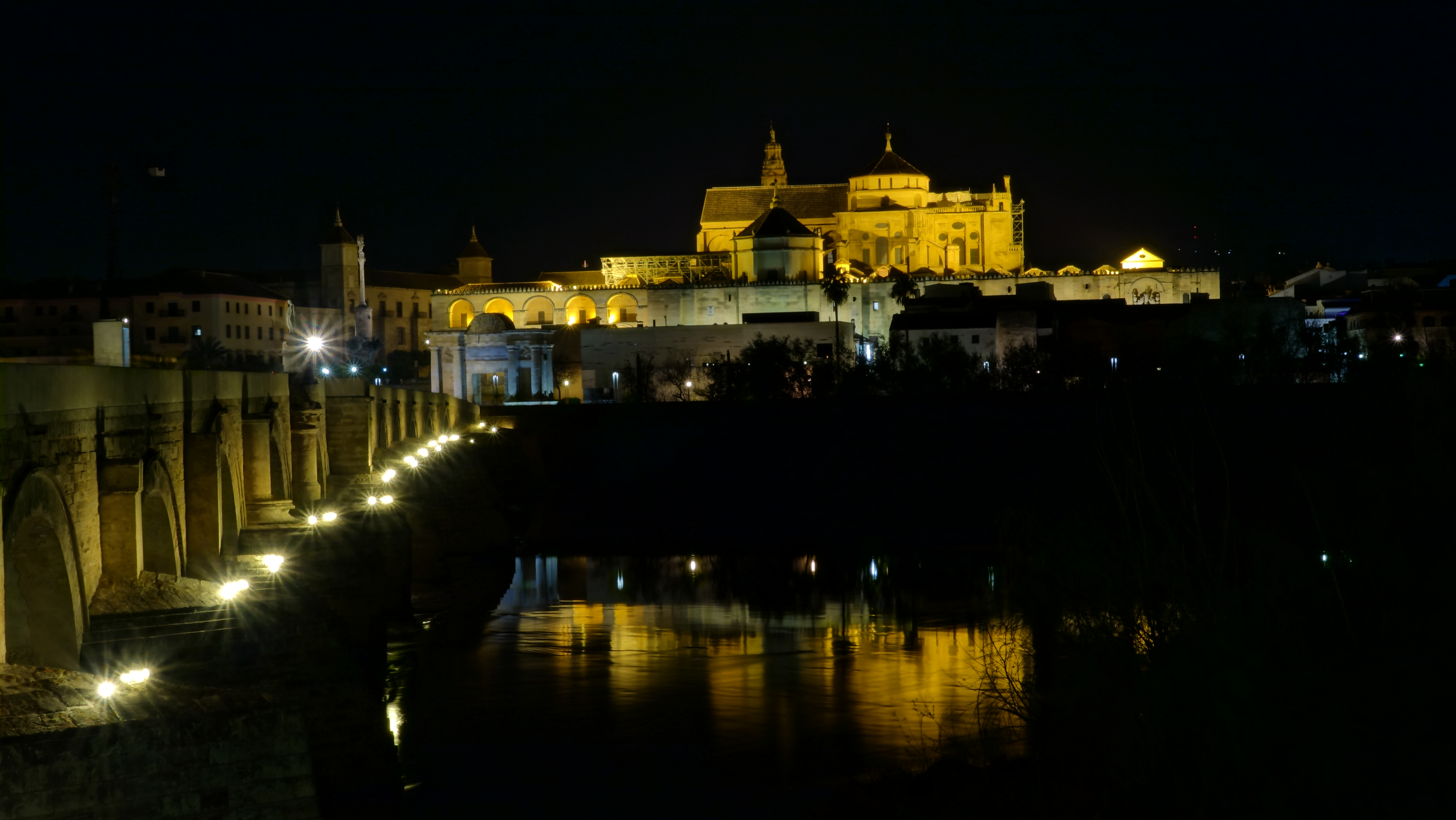
Cordoba at night. -Jiangchen 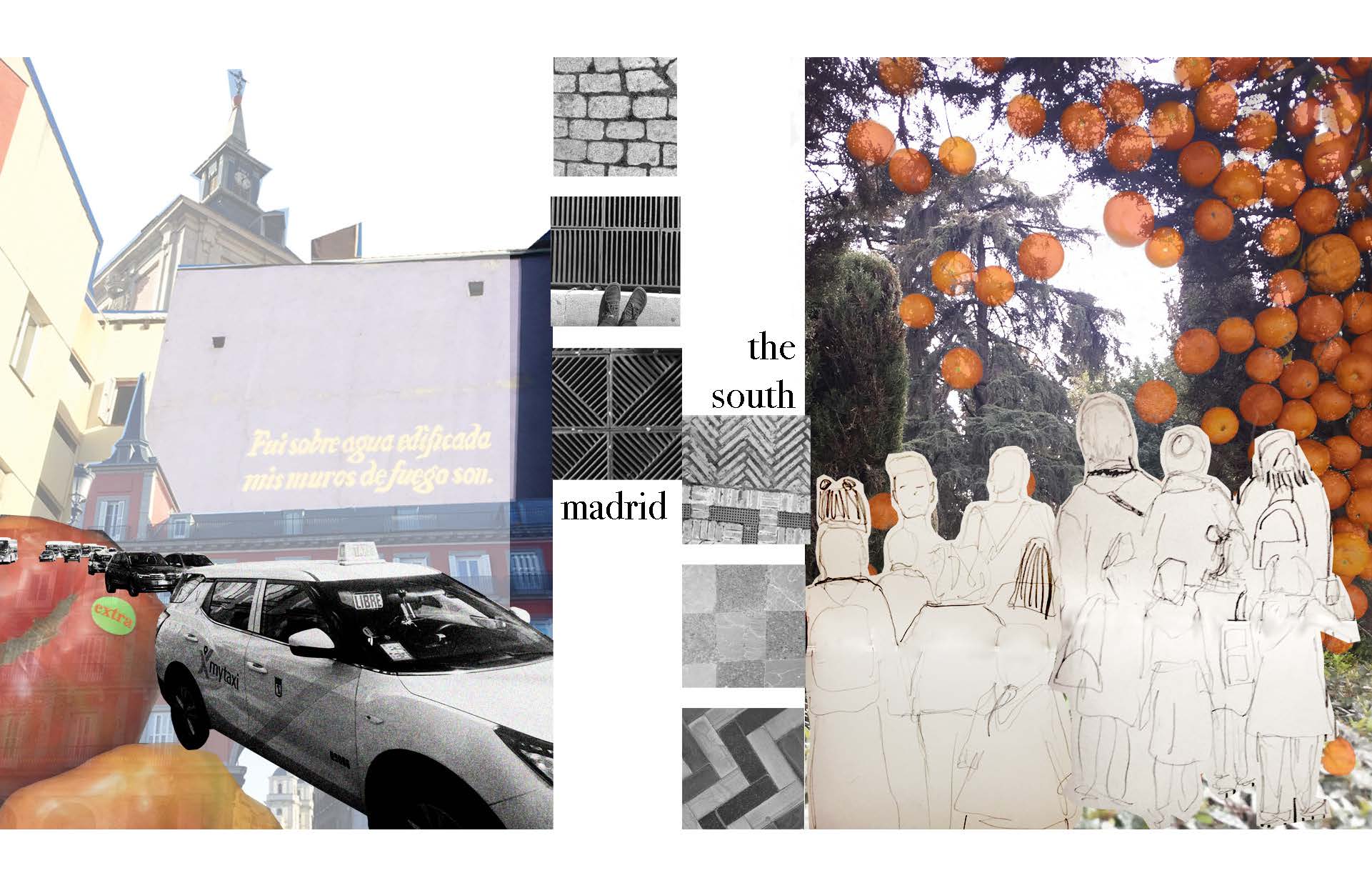
Collage of Madrid and Andalucia. -Mattie 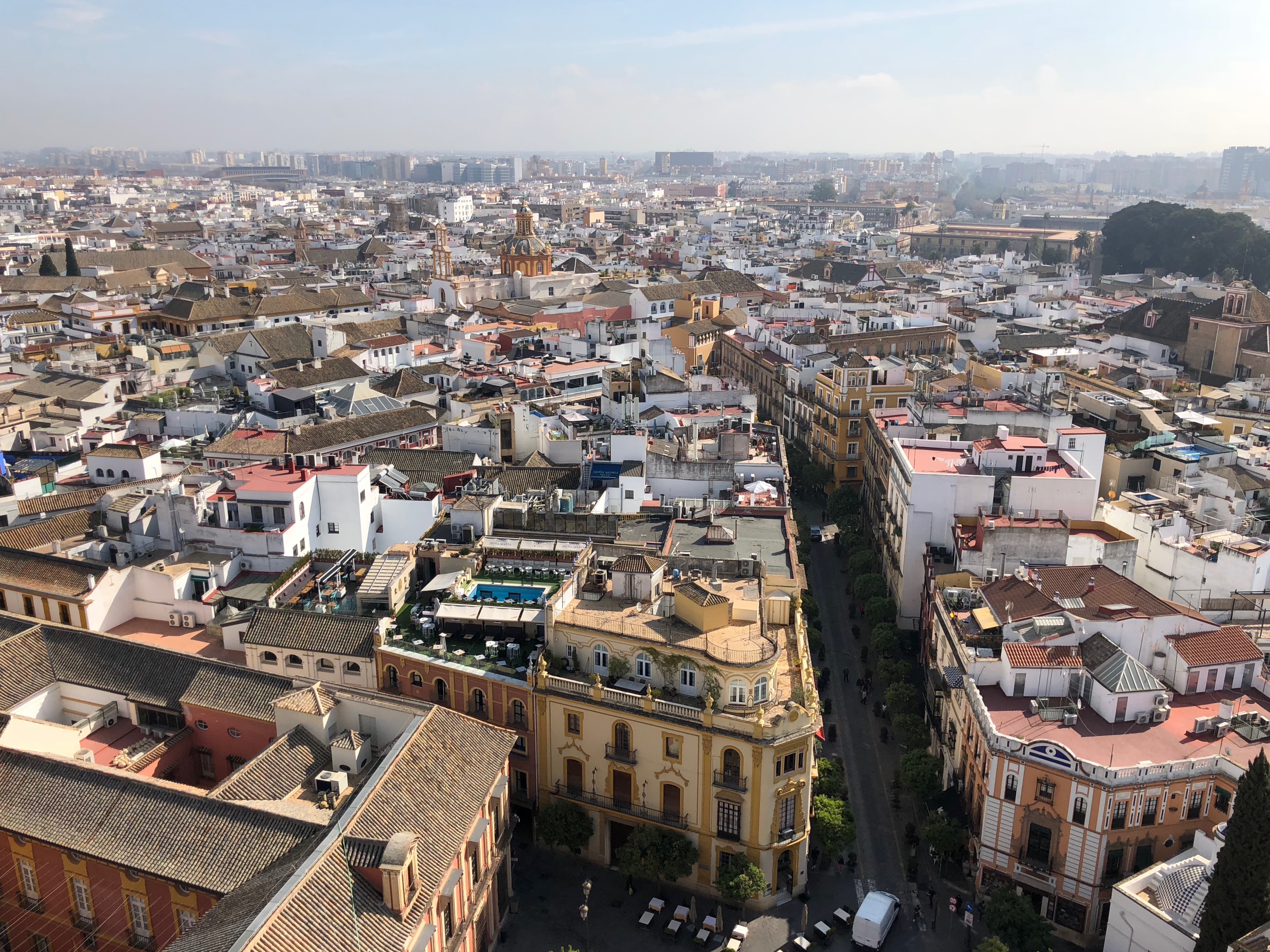
-Sydney 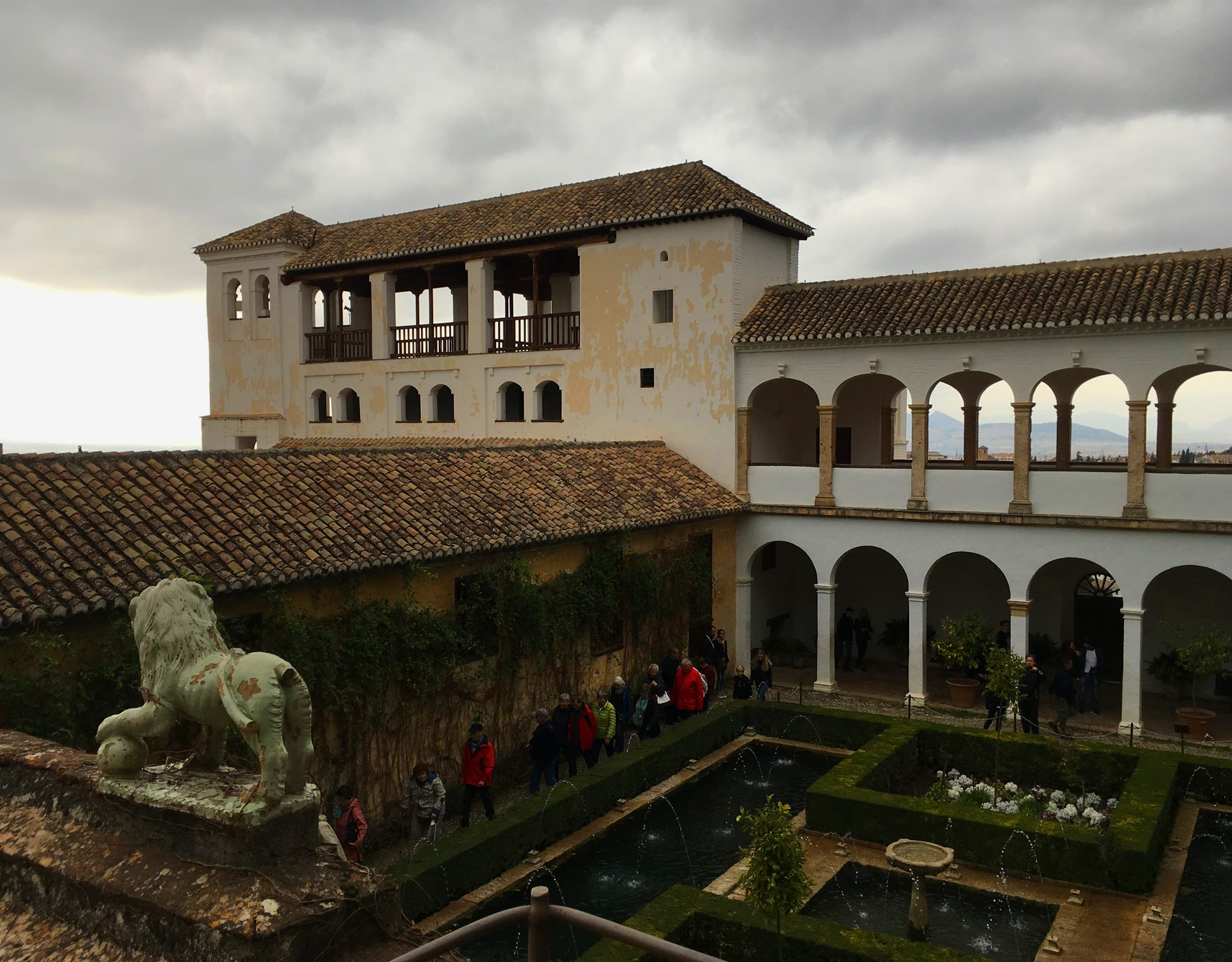
The group at the Alhambra. -Anya 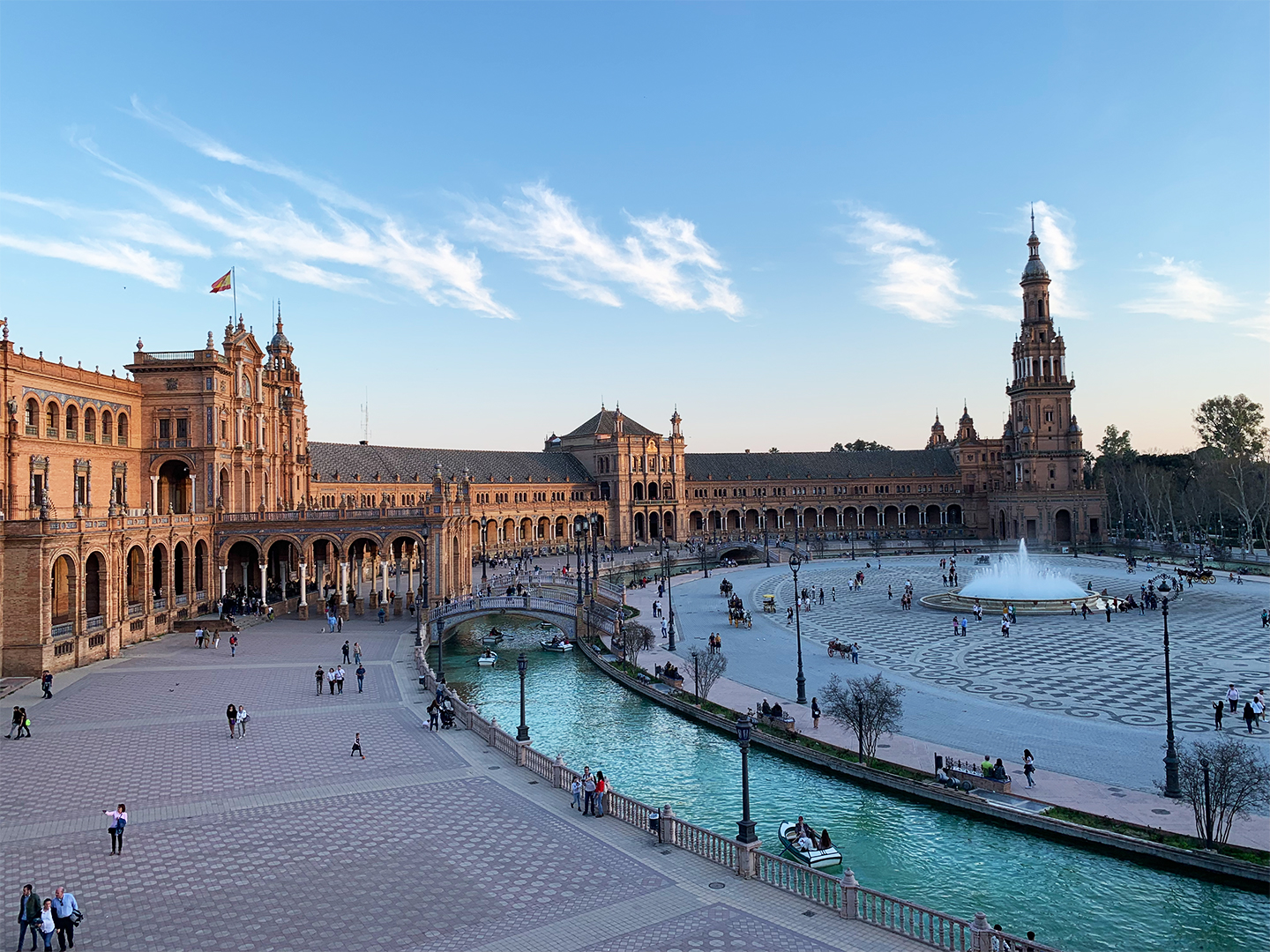
World exposition center in Sevilla. -Will M 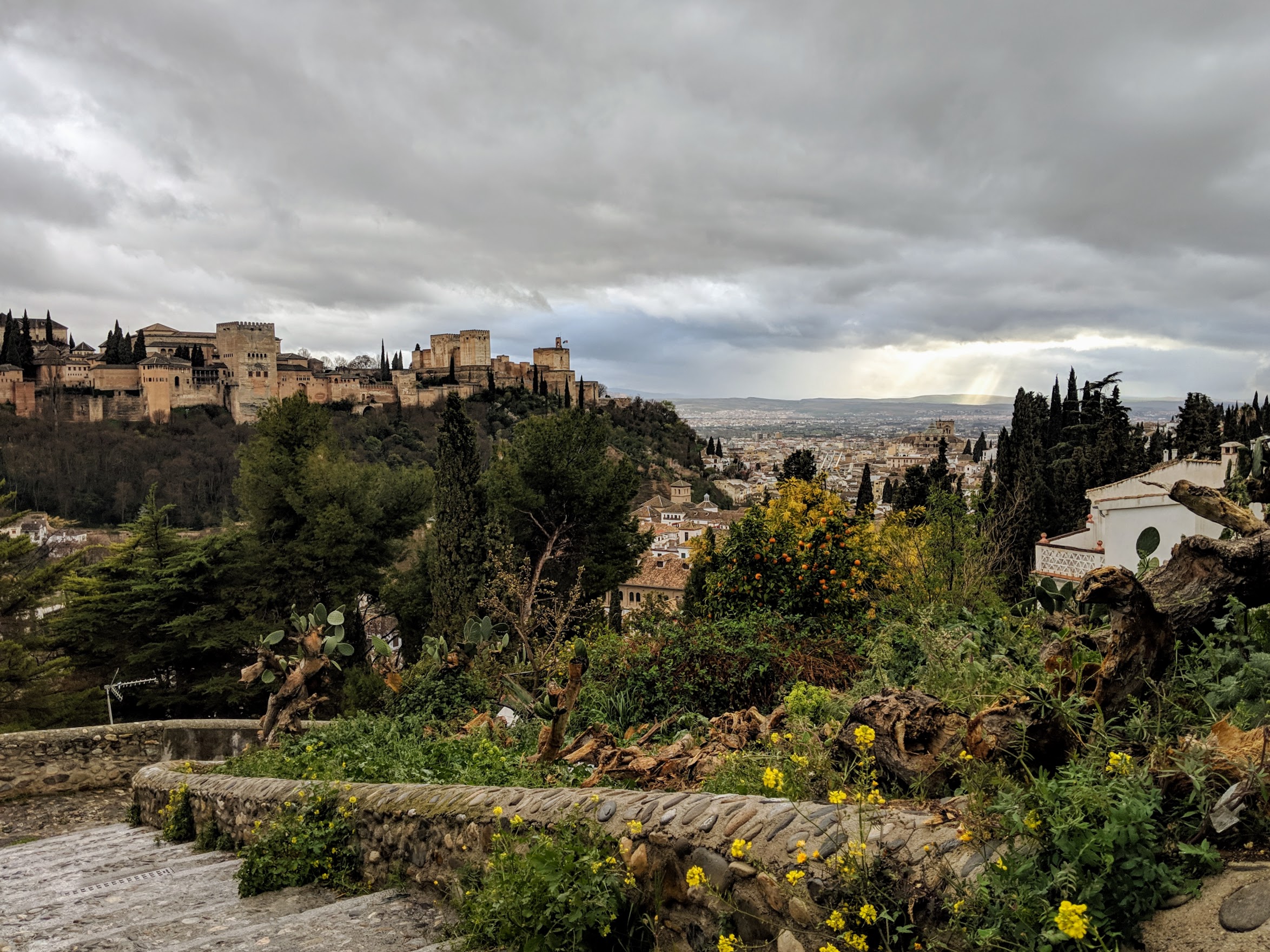
View of the hill in Granada. -Will L 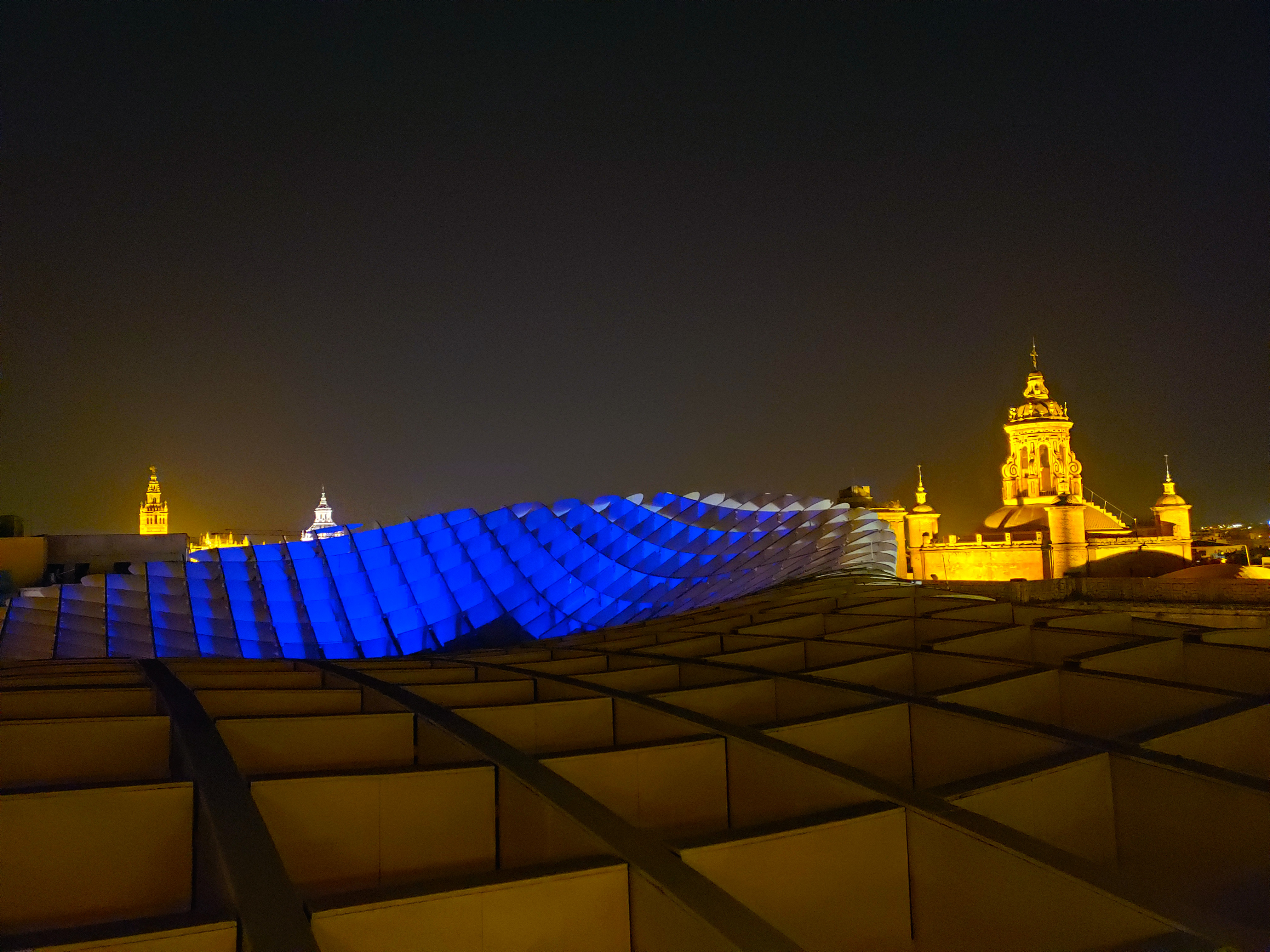
The top of “Las Setas” at night in Sevilla. -Alexis 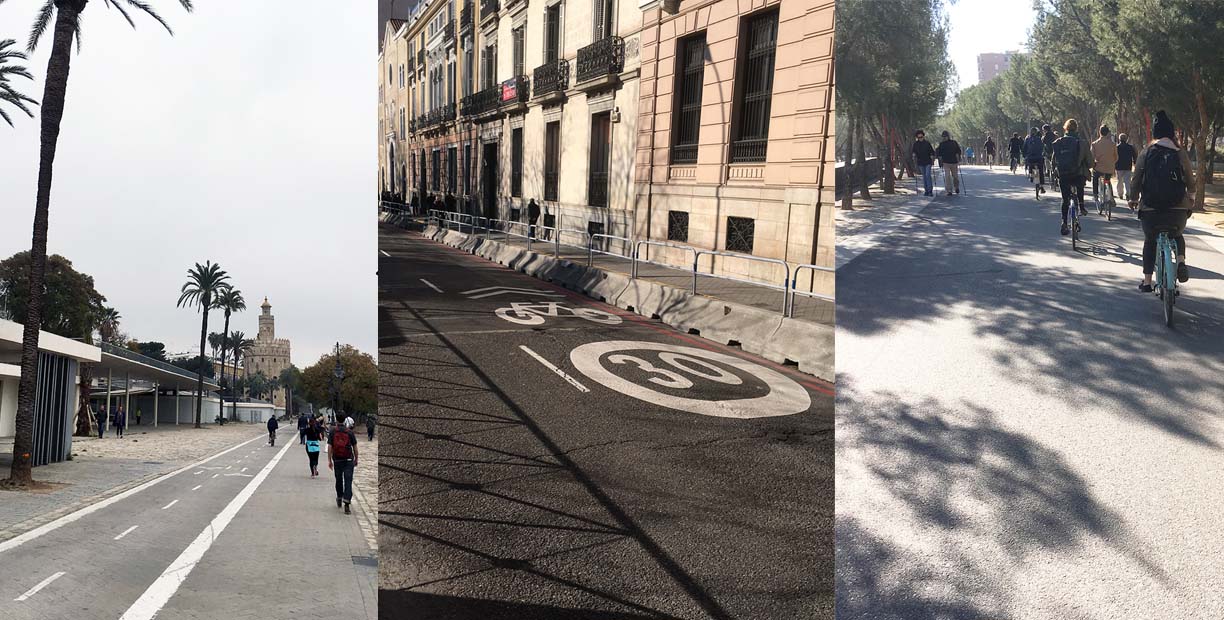
Final images from Spain. -Matthew 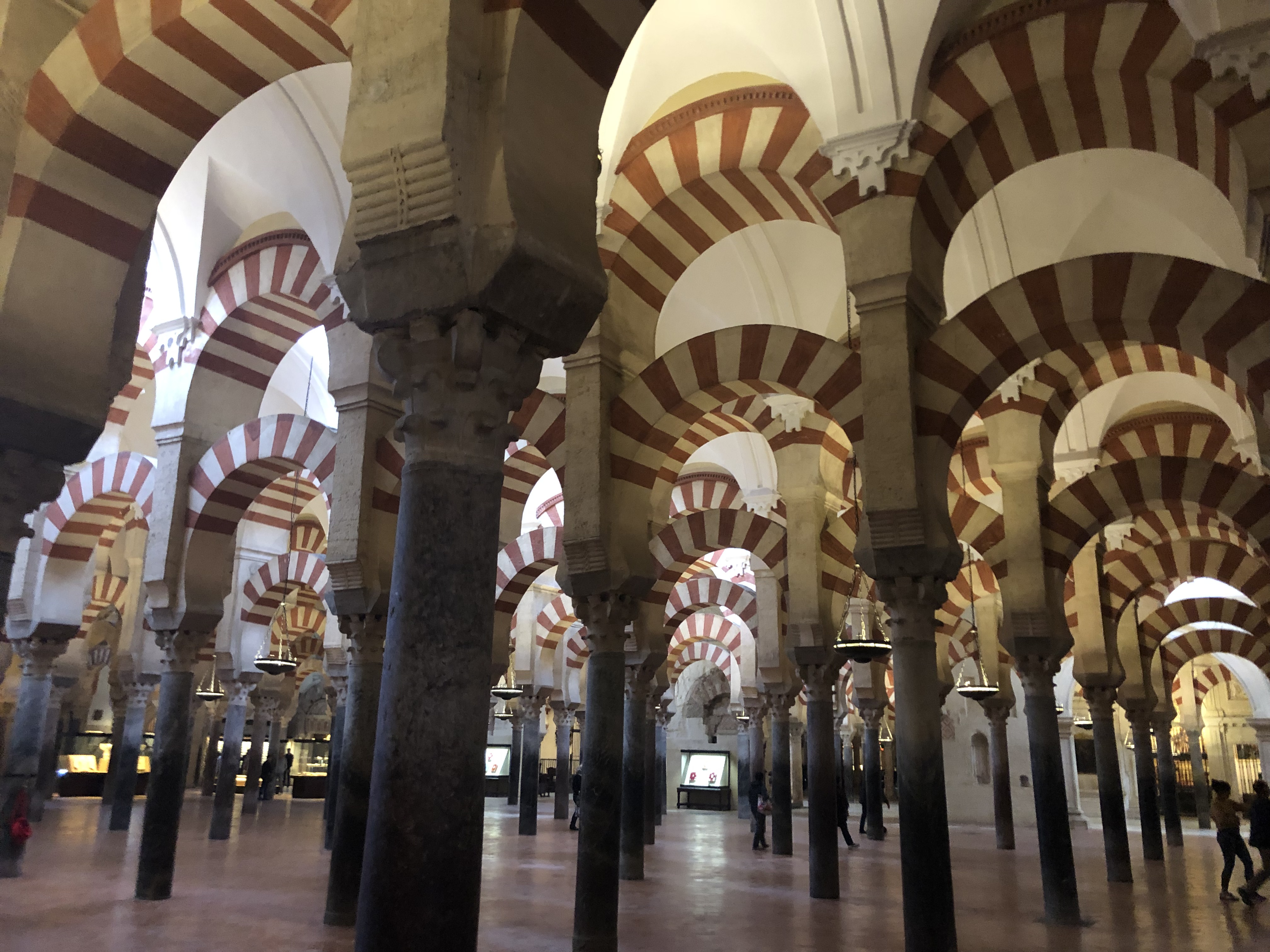
Cordoba. -Evan 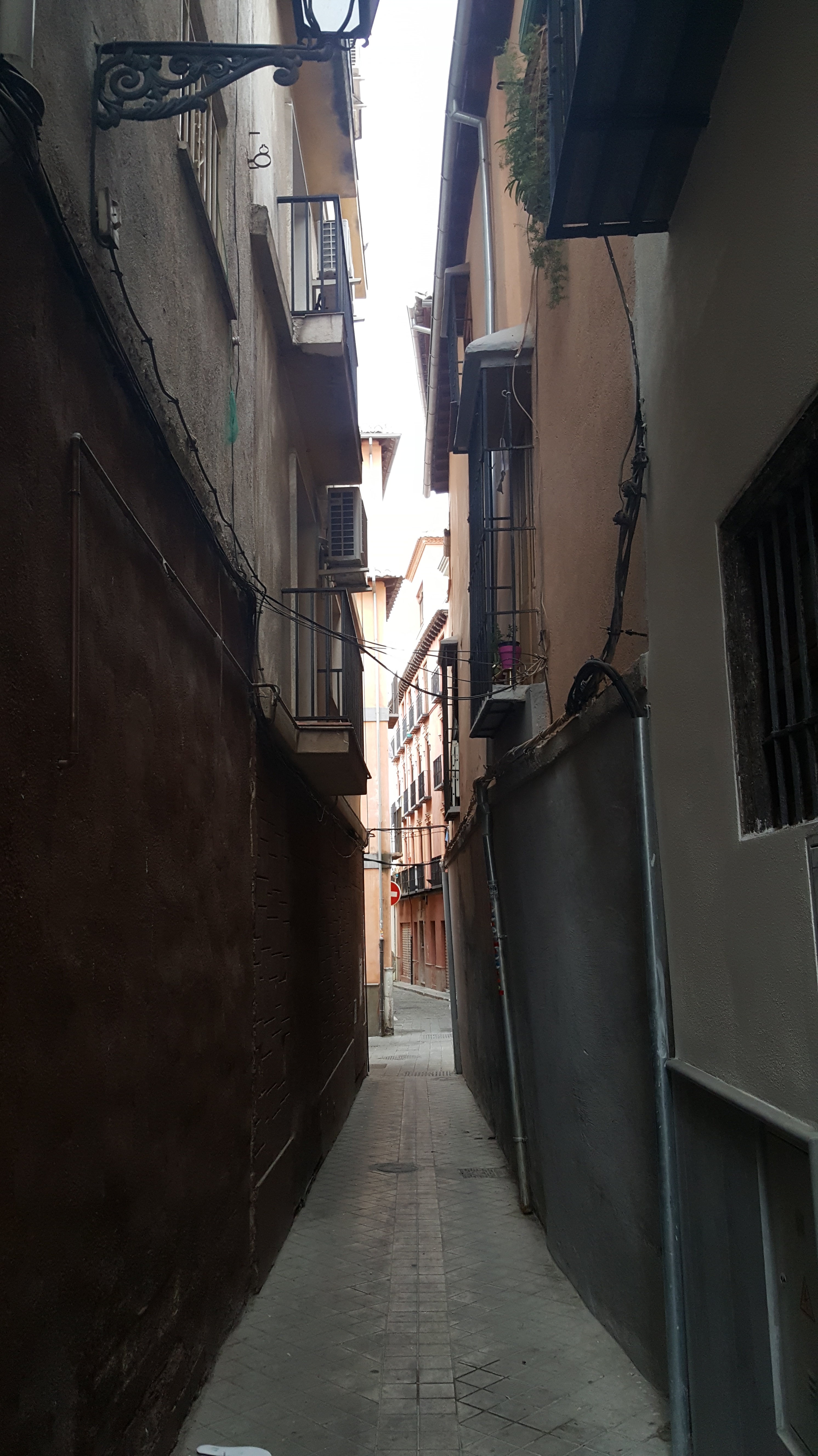
Narrow streetscapes. -Dakota 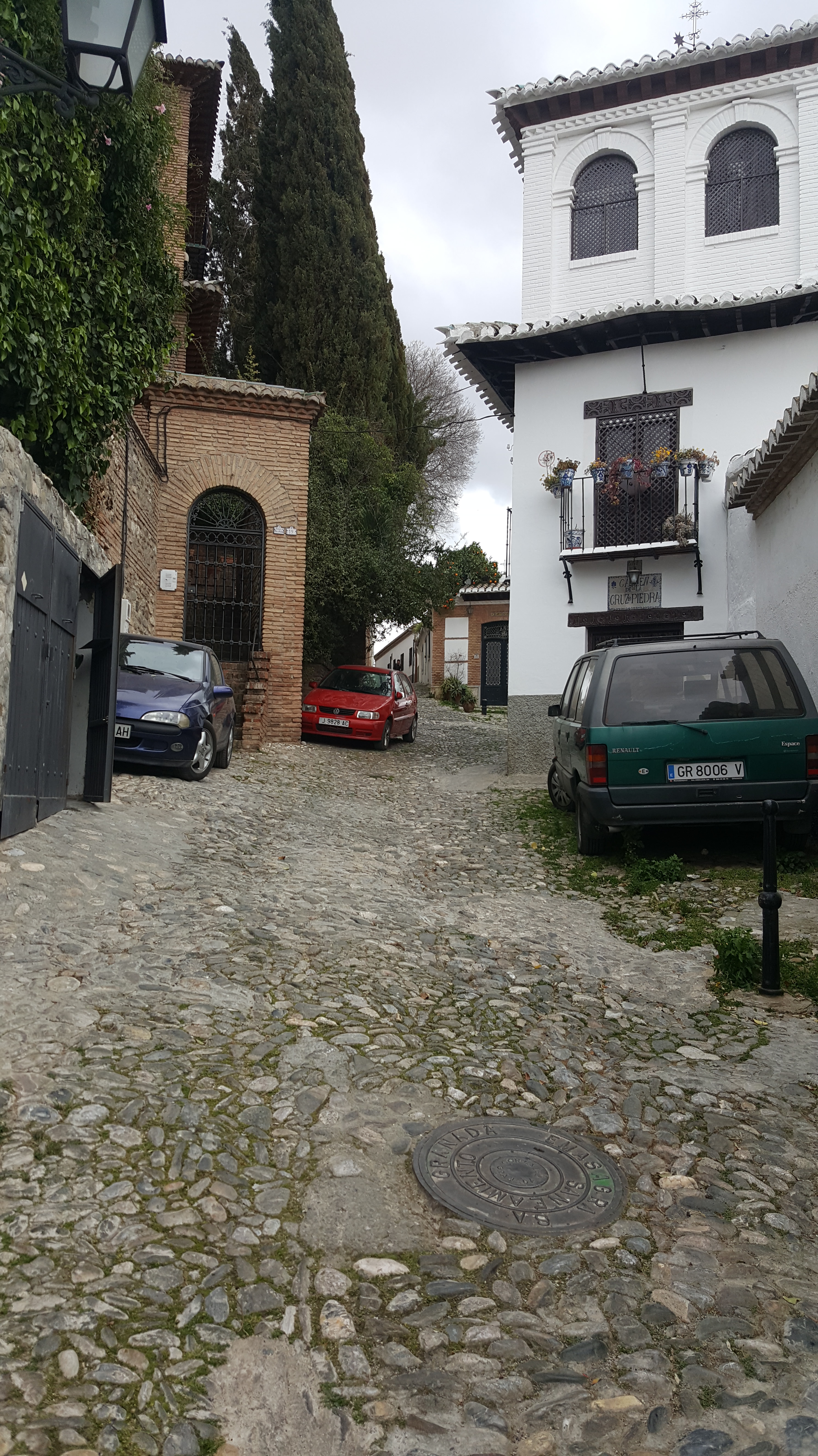
Granada streetscape. -Dakota 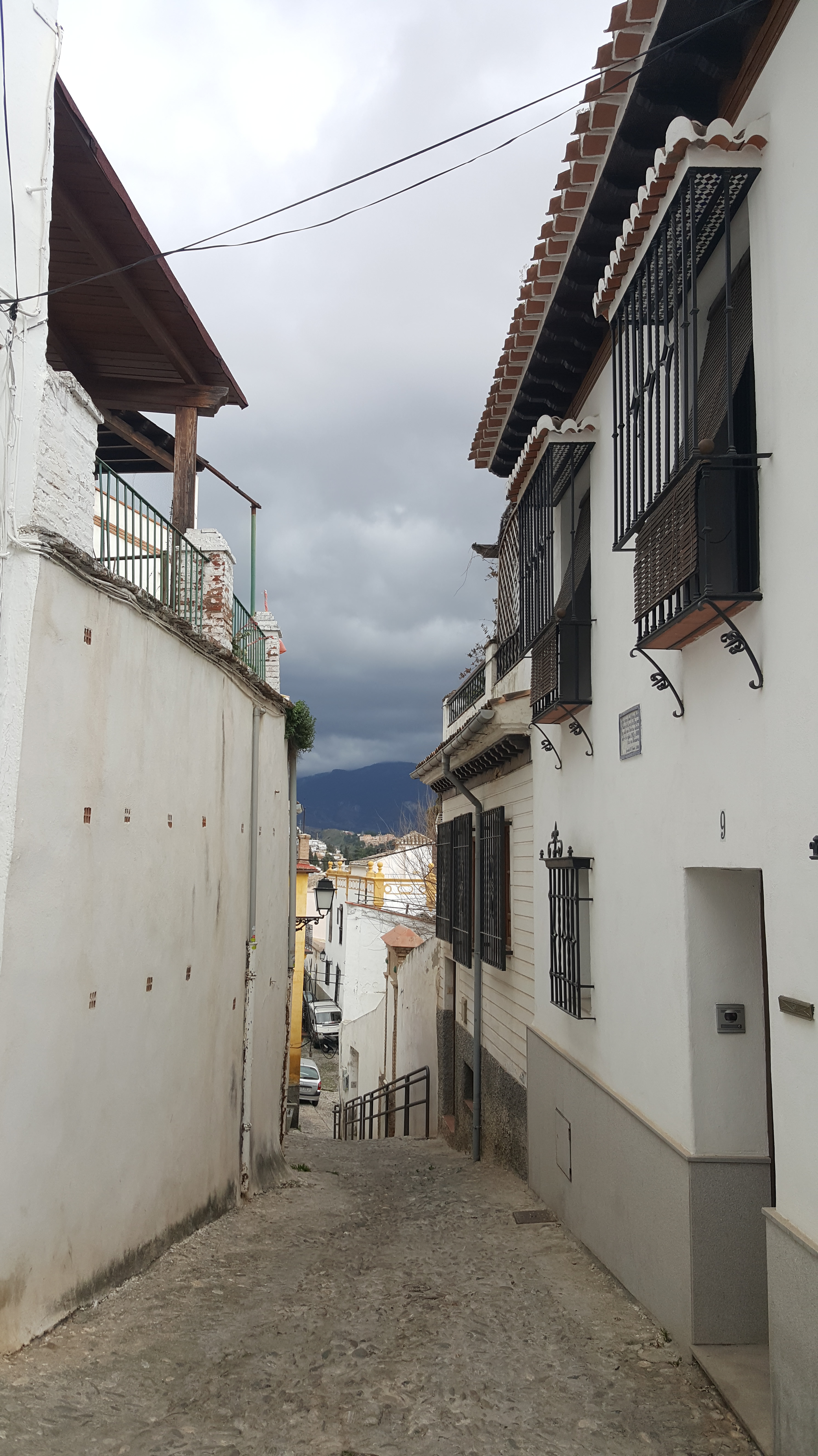
Hilly streetscape Granada. -Dakota 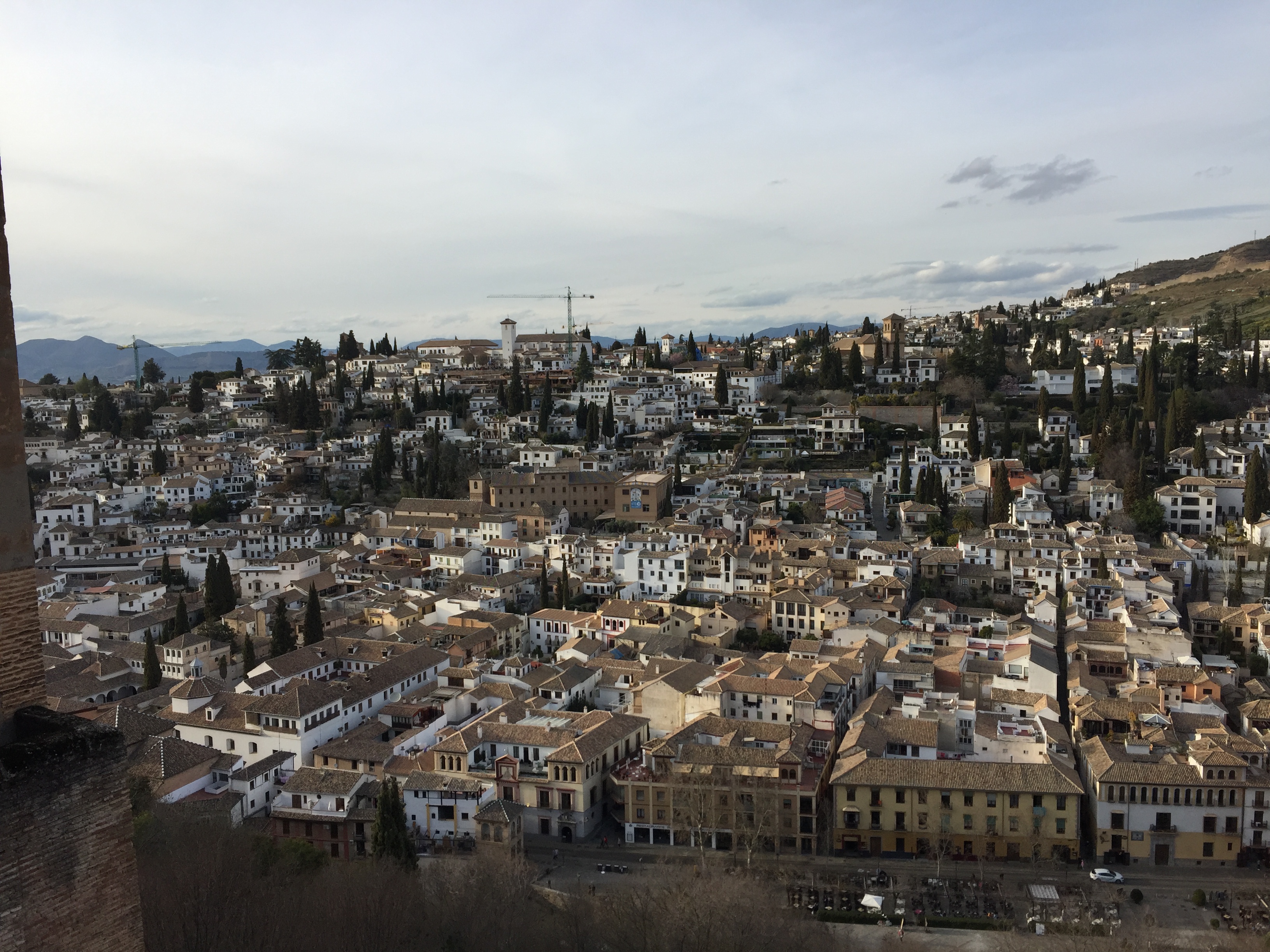
Small city of Granada. -Yungui
 Cities on Water 2019
Andulucia is so beautiful! Xx
LikeLike