Images by Jiangchen Zhu and Andrew Beck
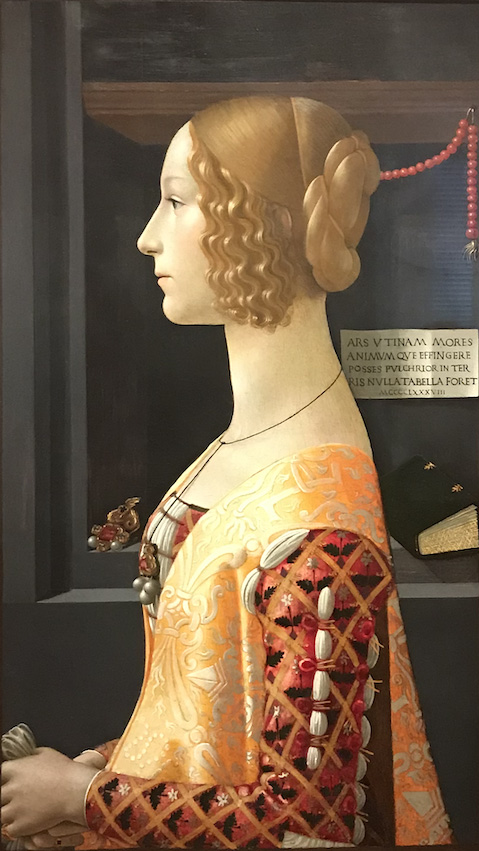
Domenico Ghirlandaio, Portrait of Giovanna degli Albizzi Tornabuani, 1489-1490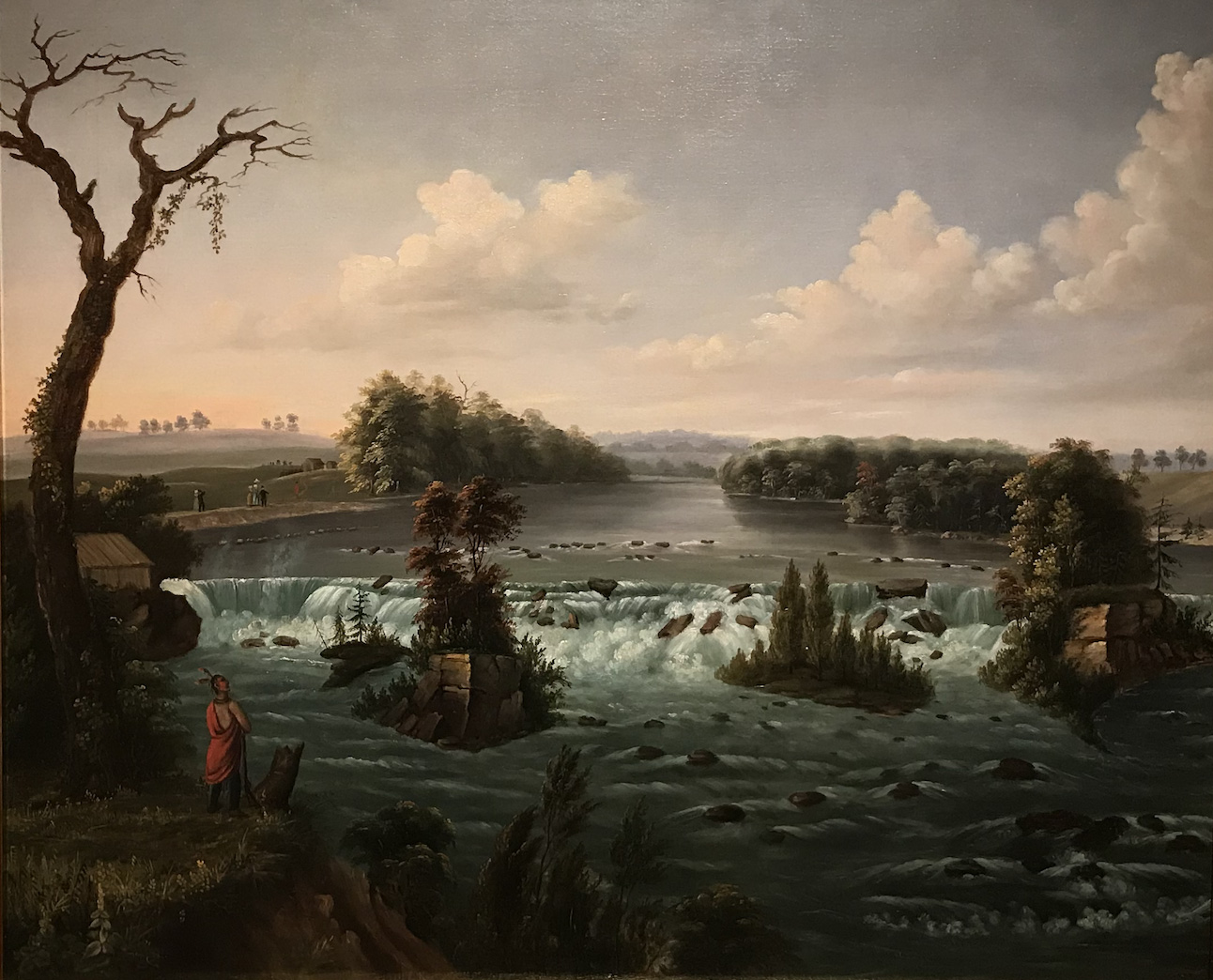
Henry Lewis, Falls of Saint Anthony, Upper Mississippi, 1847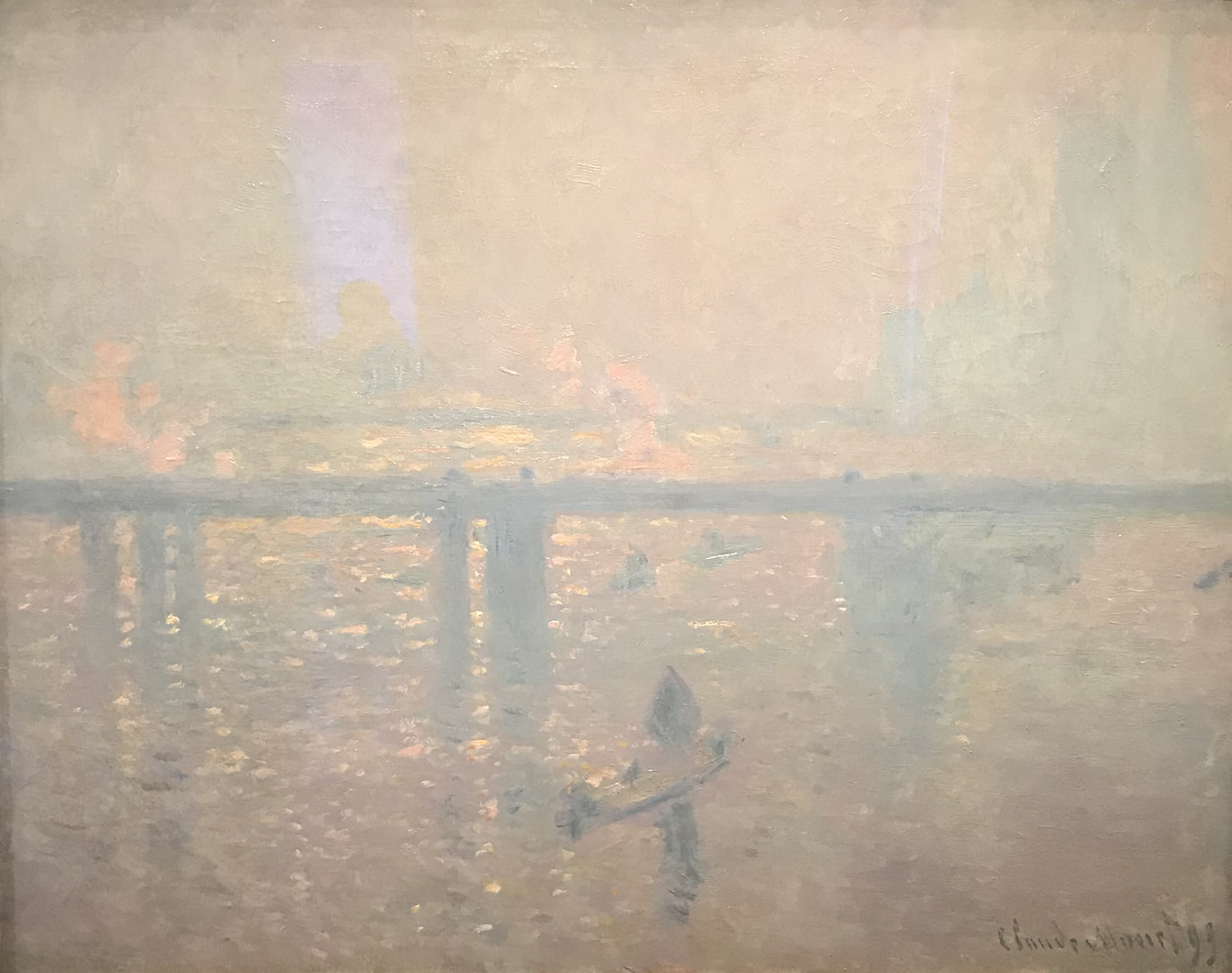
Claude Monet, Charing Cross Bridge, 1899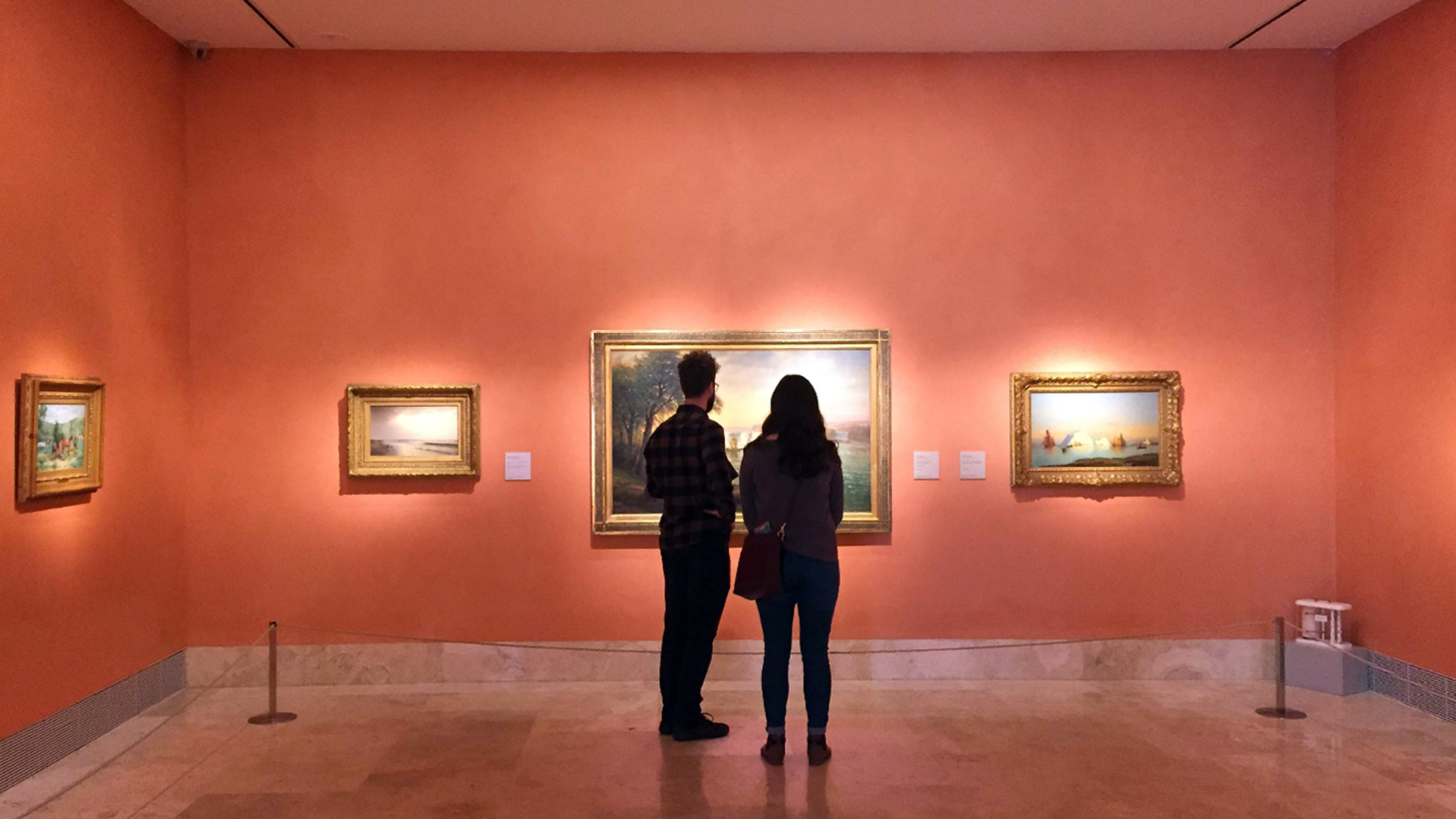
Anya and Will discussing their feelings about the art.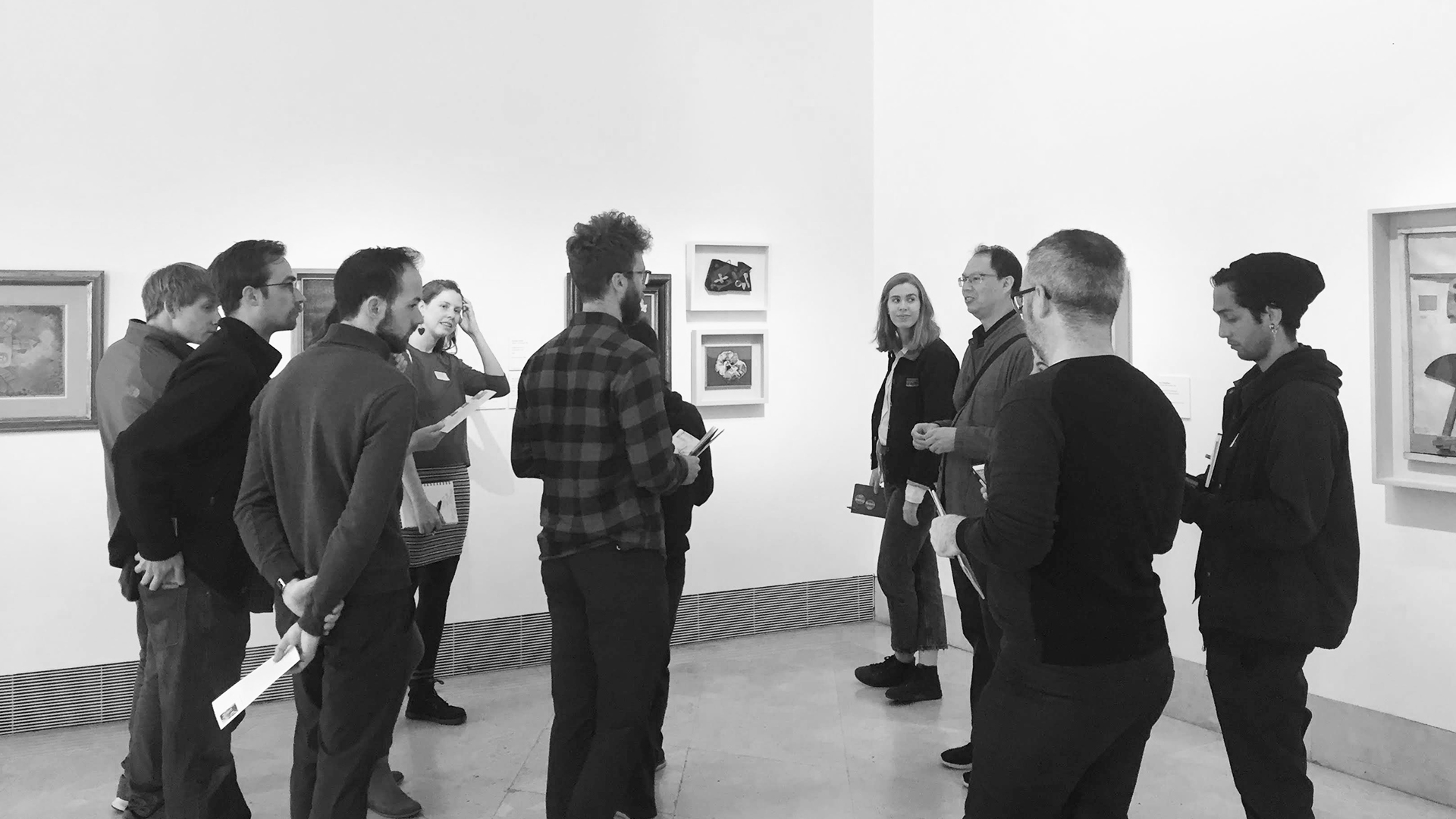
Sydney presenting a piece of art that she was especially interested to see at the museum.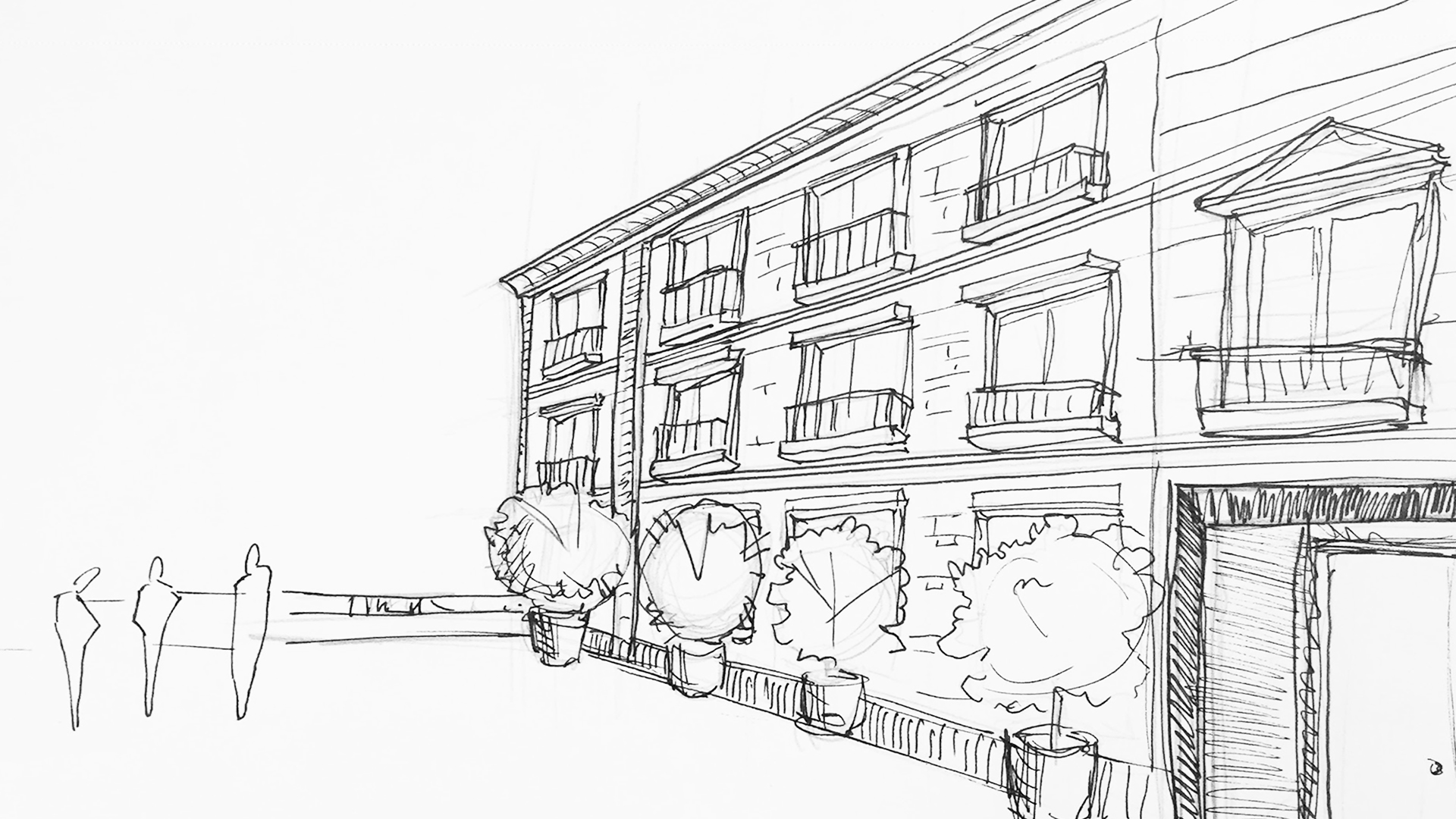
Sketch of the exterior entrance of the museum.
Part 1: Yungui Cai
On a sunny morning, we arrived at Museo Nacional Thyssen-Bornemisza and started our tour around the western art world. At first, we began introducing our favorite masterpieces in the museum. We shared the reasons why we like the art. Then we split and visited the whole museum by ourselves.
The museum could be seen as the world’s most important private art collection. Assembled by two generations, Carmen Thyssen- Bornemisza and Heinrich Thyssen- Bornemisza. The museum illustrates the history of Western art from primitive italian paintings 15th century to the 20 th century neo-dada and pop art. In July 1993, Spanish state bought the important group of paintings and they were installed into the museum.
The best part of the museum is the careful arrangement of each painting. They are arranged according to the timeline and different painting style. This vividly shows the evolution of Western art. Different paintings from different time can also reflect the social ideology. Visitors can easily catch the themes of different time. Another best part of the museum is their information booklet. It clearly shows the style and time of each exhibition area. I often heard the professional name for each painting style but it’s hard to connect them to the specific paintings. This helps to understand the art change process better. Also, the visit route is very well designed. Every small display area are connected together. So that visitors can receive a complete and coherent of the whole museum. The museum really provide a fantastic visit experience of Western art world.
Part 2 : Mattie Wong
Being a private collection, this museum had a palpable difference in curation than the museums we have visited so far in Madrid. As you wander through the halls, it makes you wonder why each specific piece was specifically bought by the Thyssen-Bornemisza family. Was it the painting itself? The famousness of its artist? Was it historically important in some way? In the area largely from Carmen Thyssen-Bornemisza, landscapes and impressionists are a strong presence. It is interesting in this section to be able to see the differences between artist styles, and by the end, you find yourself able to guess who the artist might be from across the room.
Several Van Gogh’s are in the mix at the Thyssen, and seeing them next to their contemporaries put the story of Van Gogh into a new context for me. It is easy to see how Van Gogh might not have been popular in his lifetime- his strokes are a little too bold, and a little too brash for the impressionist era. You could see how someone could dismiss a Van Gogh before really spending the time to understand the skill of the man. Boldness and brashness came later, in the early 20th century, and morphed into the geometric shapes of the Cubist and Russian Constructivism, then later transformed again into the world of Mondrians and Rothkos.
The Thyssen was a special museum because it was all about context in a way that was digestible. It may not have had the extensive collection as the other museums we have visited, but by far was able to show a more complete message. In their special exhibit, Invited Works from Madrid Museums, they were able to curate in a way to create connections across centuries. In a room full of portraits of monks and holy men from the 1400s and 1500s, they placed Picasso’s, “Portrait of Dora Maar” showing the influence an artistic education had had on Pablo and the similarities in the widely different painting styles. Another juxtaposition happened with El Bosco with his piece “Moral Fantasy” from the late 1400s and George Grosz’s “Metropolis” from 1916.
The entire collection of the Thyssen is available for view online, and while this is an incredible resource, the true treasure is the museum itself, flowing from one time period to the next, like a slow slide show, connecting the dots for the visitor at every turn.
 Cities on Water 2019