Part 1: Matthew Kunnari
Today’s walk commenced at the Museo de Historia de Madrid- the Museum of the History of Madrid, located in the neighborhood of Malasana. The building originally functioned as the city’s hospice and was converted into a museum in 1929. The doorway to the museum, designed by Pedro de Ribera, is decorated with intricate scroll ornamentation- a stunning example of Spanish Baroque style.
Upon walking through these doors I was asked to remove my ball cap or wear it backwards- which seemed odd. So, I removed it. After a several hours walk through the exhibits with our history teacher Pablo, we exited the museo and entered the streets of Malasana. The cap was put back on.
Traditionally Malasana had been a working class neighborhood with the majority of the 19th century architecture still intact. The
neighborhood is relatively flat when compared to the slopes of our
last walk in Lavapies. Also unlike Lavapies, Malasana never had an
influx of immigrants, rather- during the 1970s and 80s, the place
became popular with students. Today, the neighborhood is a mix of
older adults, hipsters, families and graffiti scrawled walls. Numerous old restaurants coexist with new gluten free bakeries, vintage clothing stores, ect.
In the heart of Malasana stands an arch in the Plaza del Dos de Mayo-the Plaza of the 2nd of May. It was here in 1808 that the Spanish War of Independence began and Goya’s famous paintings were inspired.
We next made a quick stop at the Museo ABC- a museum dedicated to illustration and drawing. The gray and teal triangular shapes of the courtyard were a sharp contrast to the square windows of the
surrounding red buildings.
Walking from the museum, we made a brief stop in the Plaza de los
Guardias de Corps. Here in the shade of tall trees is a patina bronze
bust of Clara Campoamor, the figure head (no pun intended) of the
Spanish women’s suffrage moment.
The walk ended as we passed through another elaborate door to enter the large contemporary art center, Centro Conde Duque. This large restored building was completely renovated with a modern aesthetic of clean lines and basic forms- a crisp reprieve from all we had seen.
Malasana’s relatively level, narrow streets, intimate plazas and
embrace of culture made for a very enjoyable afternoon.
Part 2: Nikolai Fjelsted de Santiago
Today we visited el Museo Municipal de Historia in the neighborhood of Malasaña which in the downtown district of Madrid. This neighborhood is close in proximity to Salamanca, Chamberí and Centro, the city center. The building it self was constructed in 1673 as the Hospice of San Fernando and designed by Pedro de Ribera during the barrack architecture period. Eventually the hospice was turned into an orphanage around a decade later.
On the main floor of the museum there was a new installation about the history of what used to be the city center called Plaza mayor. This area was once known as the jewel of the city, it was a place for bull fighting, carnivals, public executions by fire and much more. Philip the 2nd restored the Plaza Mayor but in 1790 it caught fire and was destroyed. After the fire the city center moved to Sol. Plaza Mayor’s design was based off a type of French architecture with four walls that closed in to create a center court. Now, Plaza mayor is used as a place for remembrance and the surrounding buildings have been converted to apartments which are pretty expensive.
For the rest of the museum it ranges from paintings of important people from Madrid, mostly all royalty to historical maps of the city. One of the most important maps in Madrid is located here and was drawn by Pedro De Taxiera, which shows the whole city in incredible detail.
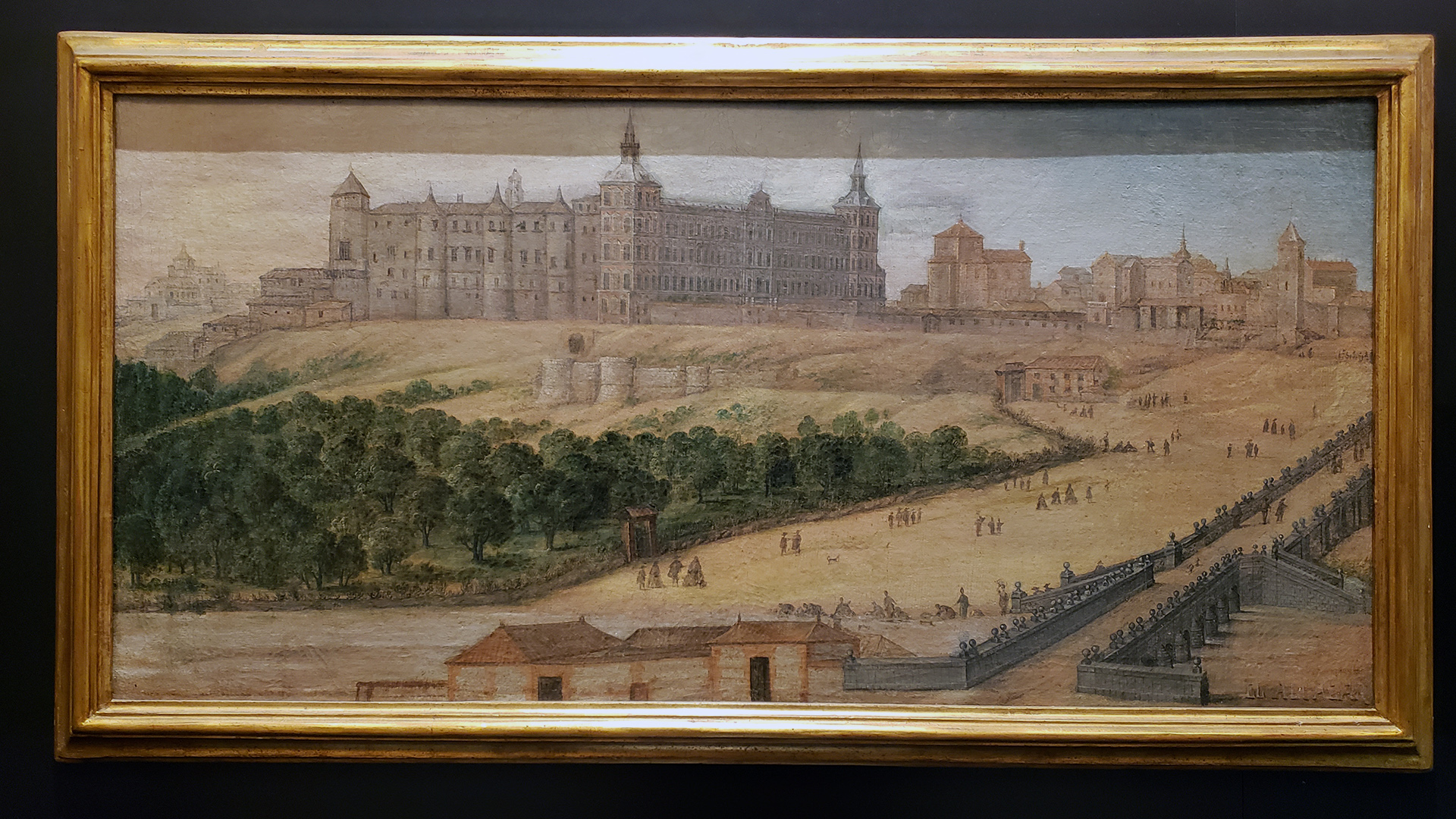
View of the Alcazar of Madrid by Felix Castello (1615 – 1651). Depiction of the royal residence and surrounding open space where it appears to be for socializing, leisurely strolls and encountering new people. Also pictured is the Segovia bridge one of the main thorough fares into Madrid.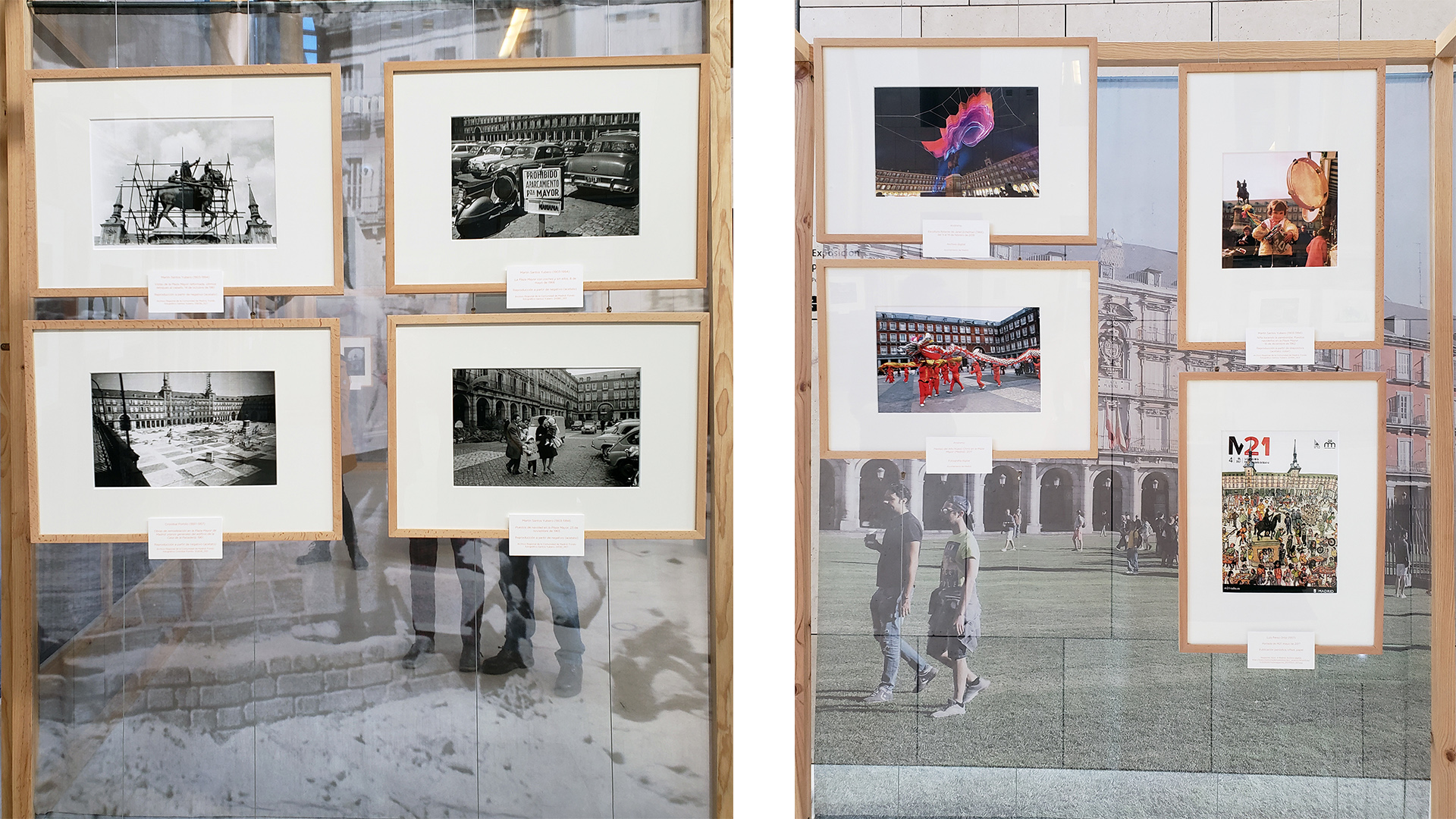
This temporary exhibit showcases the history of La Plaza Mayor and its shifting roles for Madrid. La Plaza Mayor was home to the first municipal building in Madrid. Left photos: period between 1961 – 1969 where we can see a ban on cars inside the plaza. Right photos: current day were the exhibit ends showing the wide range of activities the plaza is host to including many festivals.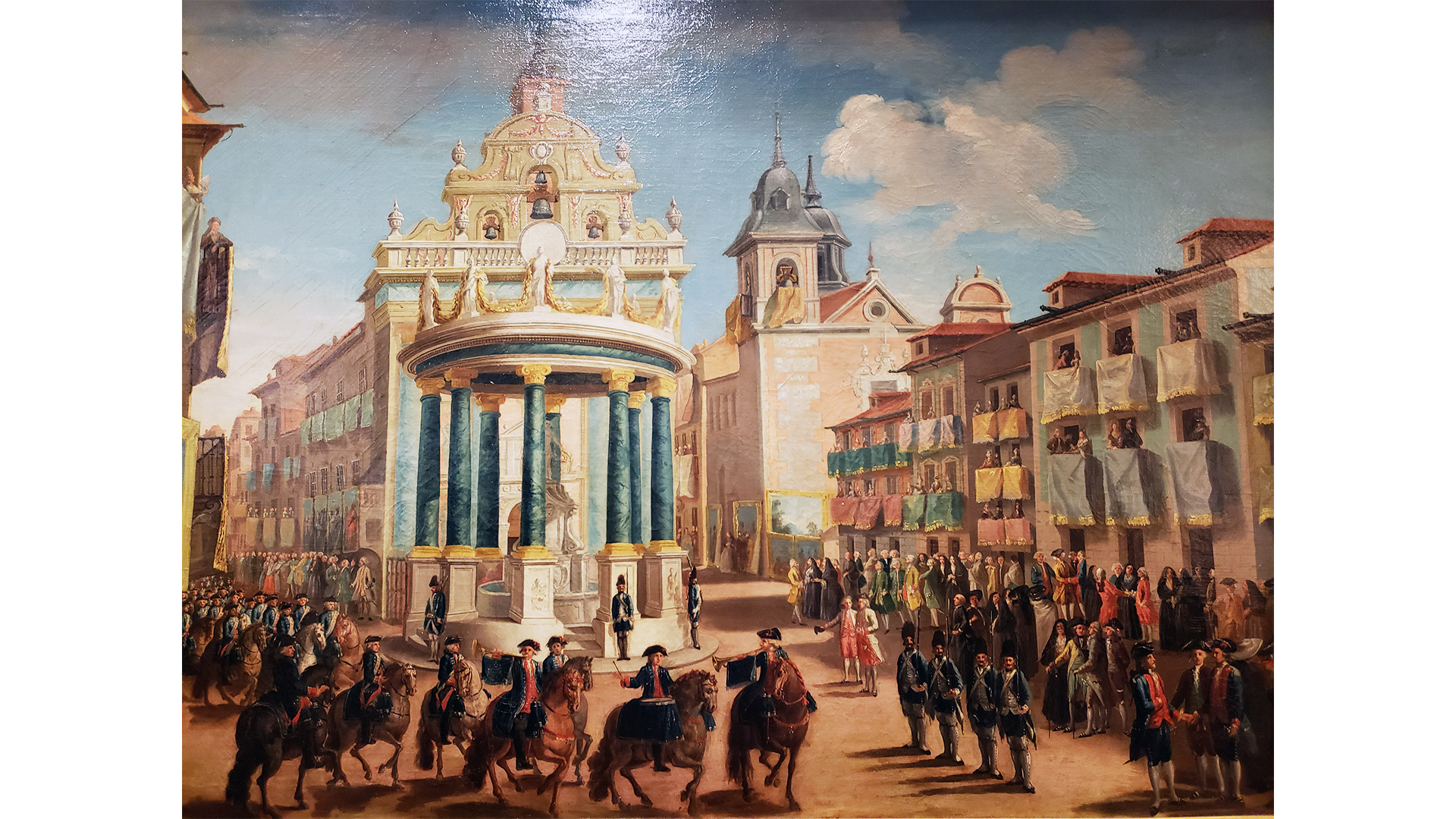
Embellishment of the Puerta Del Sol by Lorenzo De Quiros (1760). Painting illustrating some sort of celebration perhaps what appears to be a military parade. The balconies along Sol are adored with colorful cloth and people have gathered to take watch.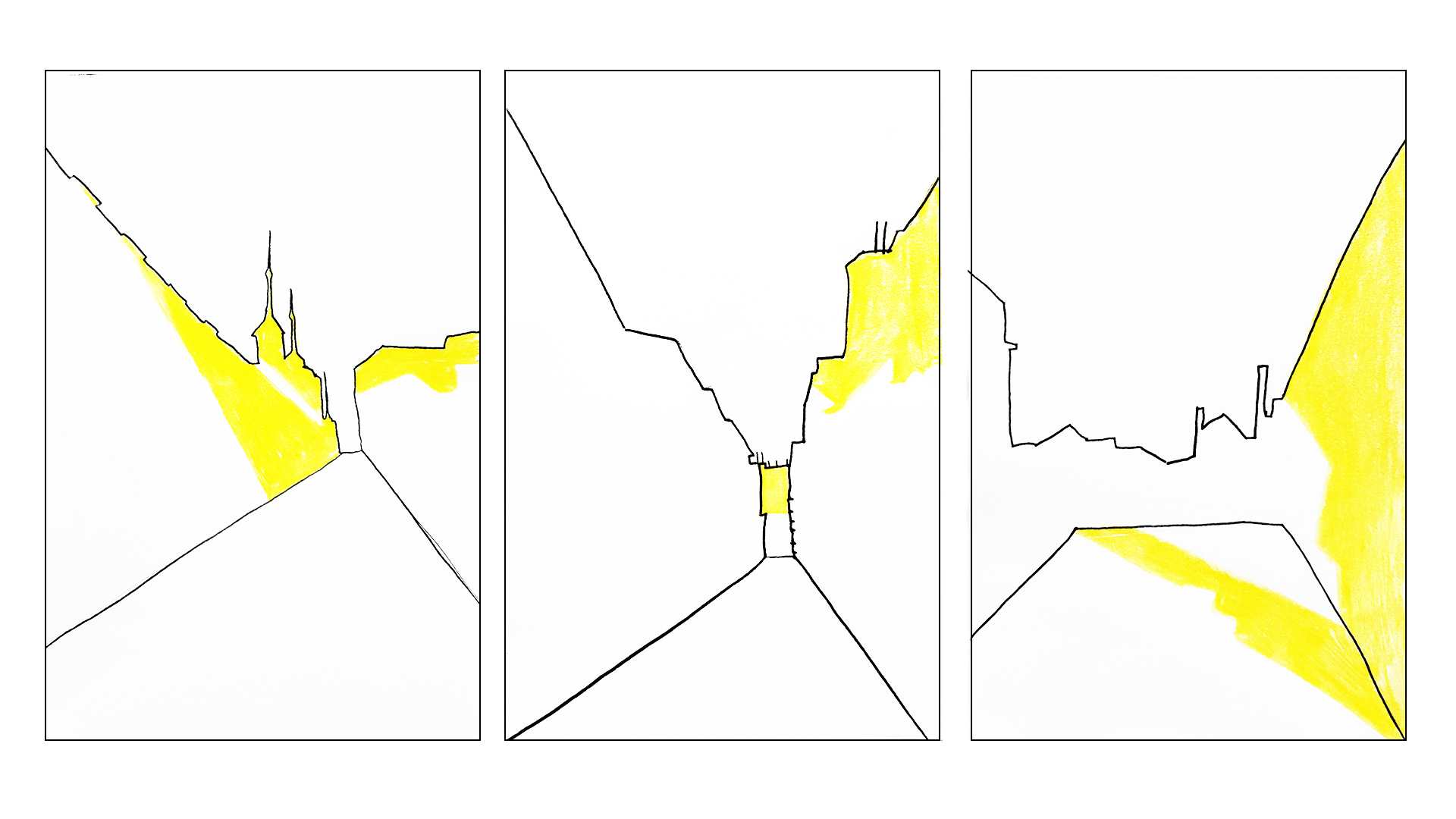
Sketches exploring the long corridors of buildings along historic Madrid roads looking at the boarders between sky and roof and resulting light behavior. After our visit to the Museo De Historia Madrid we walked along several historic roads depicted in the art we had just observed.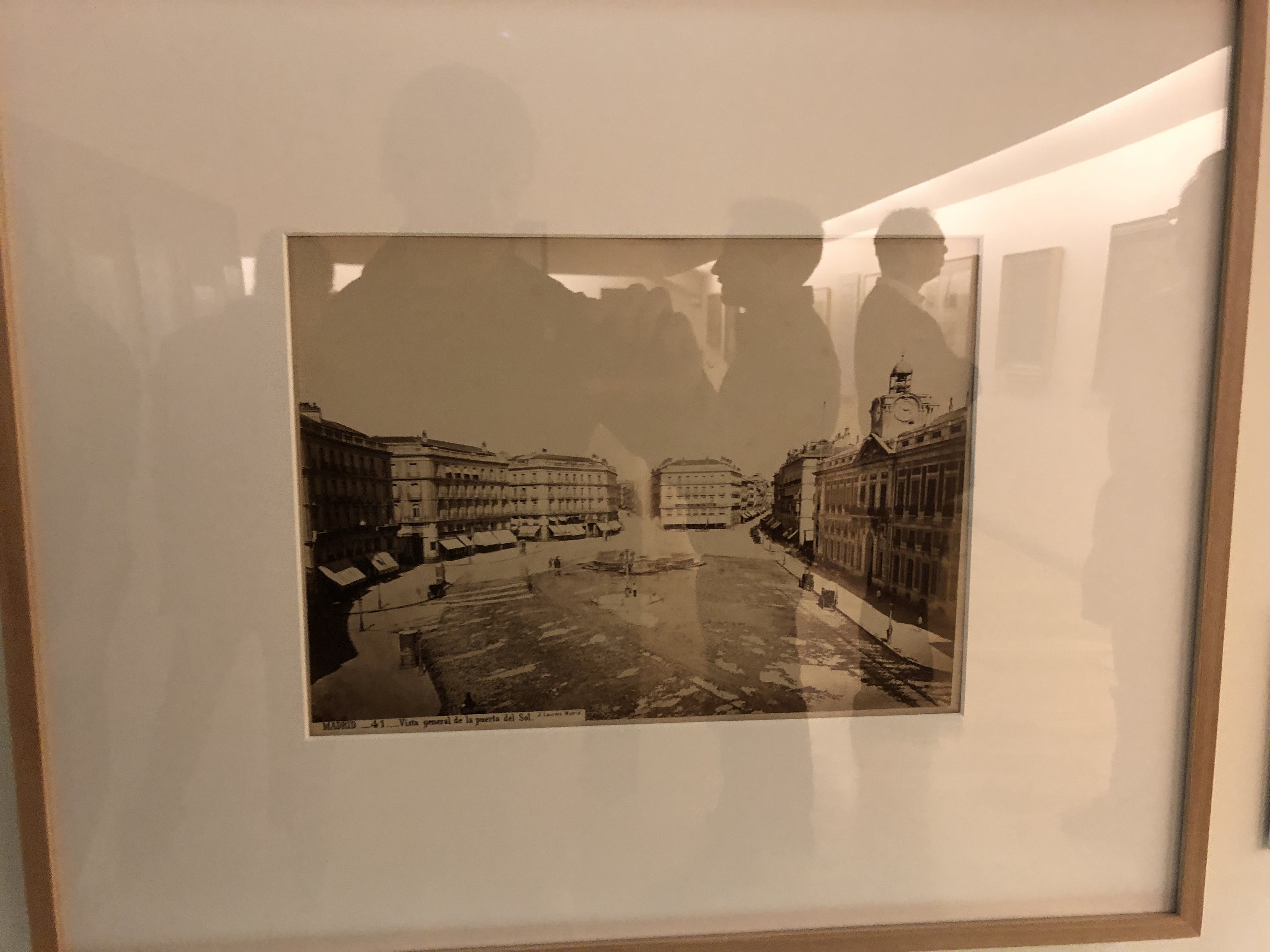
This is a main view of Puerta del Sol when remodeling of the streets were underway in 1870.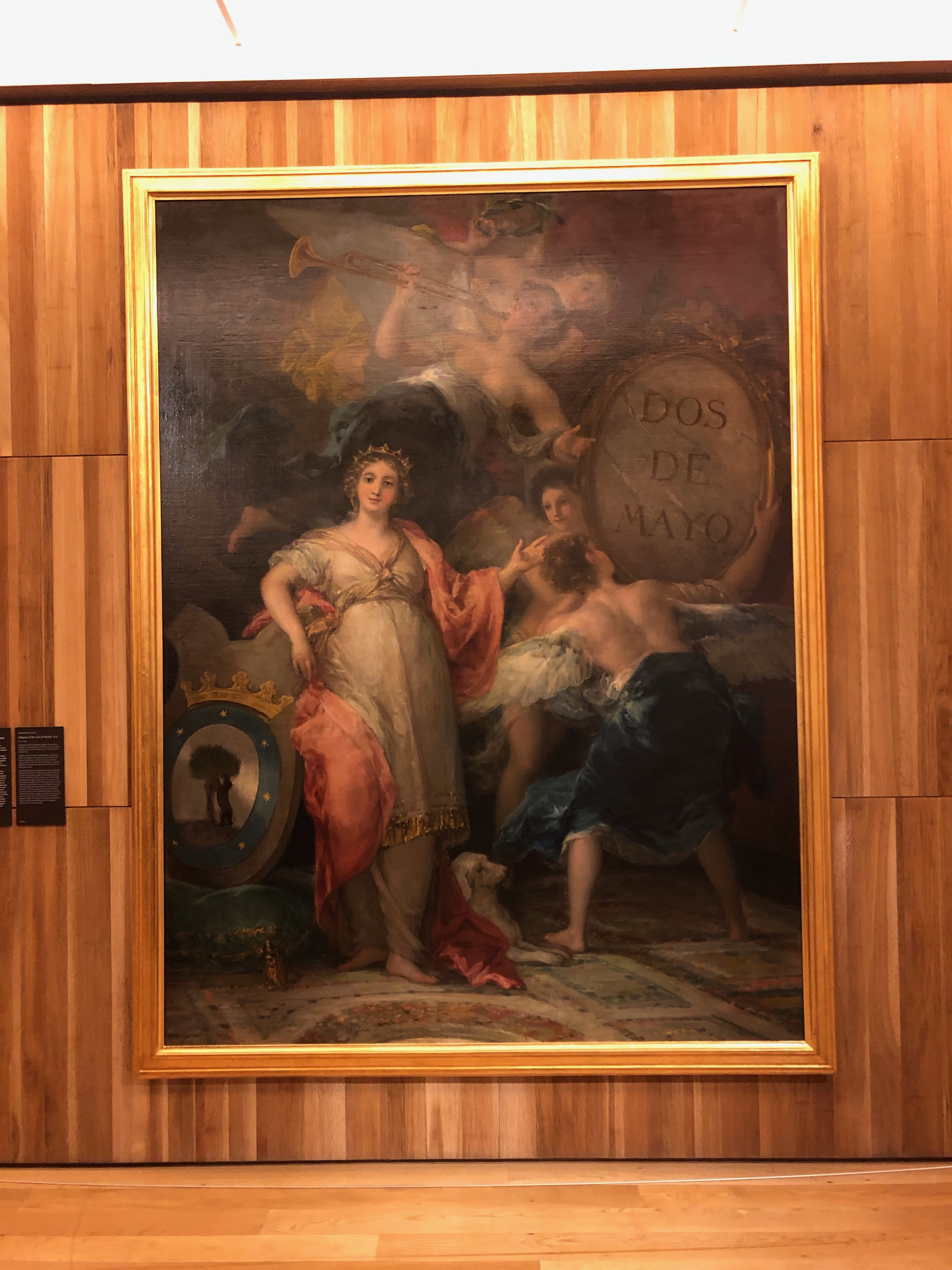
This oil on canvas painting is called Allegory of the City of Madrid. It was painted by Francisco De Goya in 1810. This painting tells the story of the political life in Madrid during the Peninsular War. The Painting has an inscription “Second of May” and a dog at the woman’s feet. The painting alludes to Fidelity, fame and victory.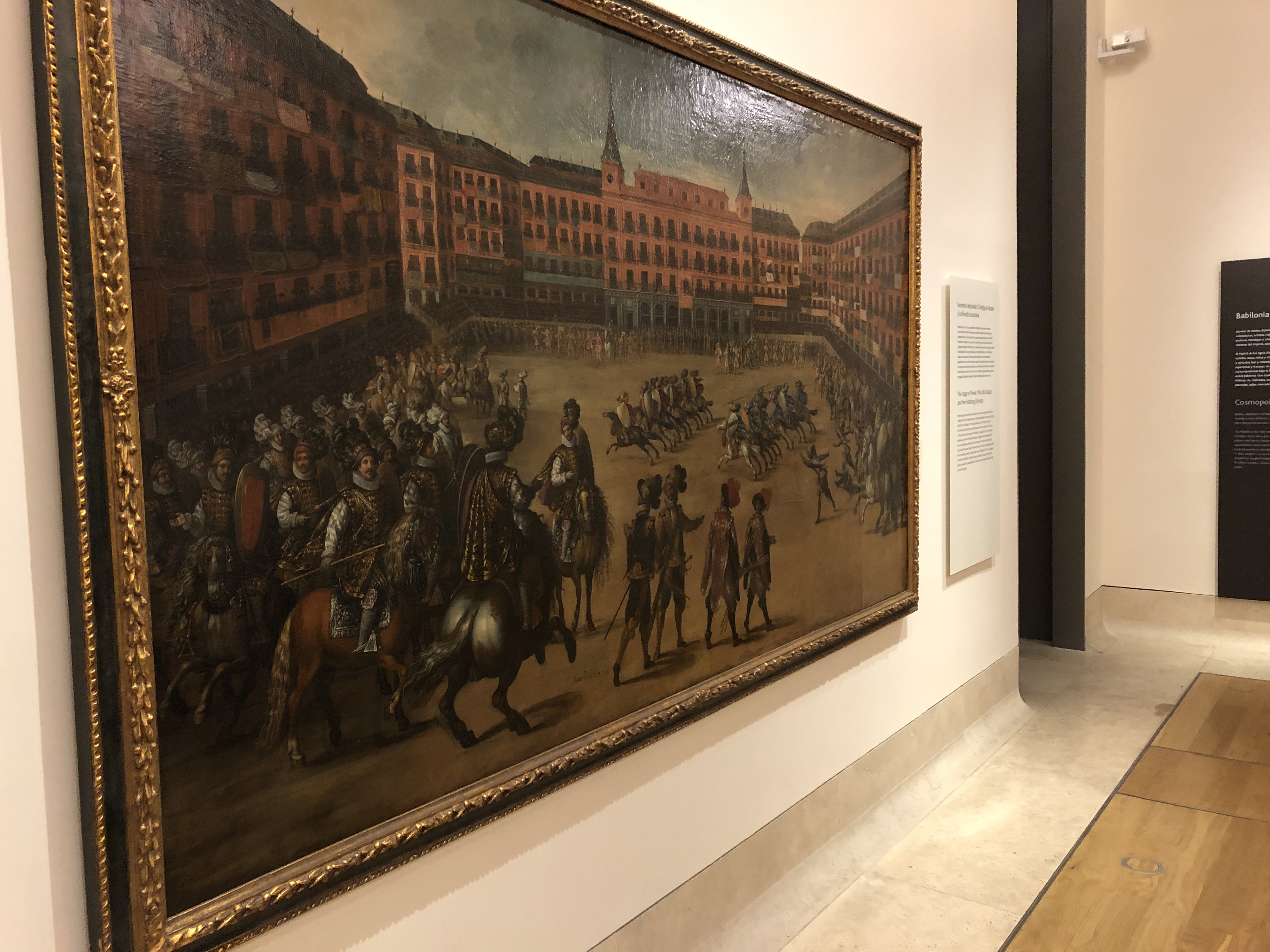
This painting Fiesta en la Plaza Mayor completed in 1630 by Juan De La Corte depicts medieval Madrid as a small urban settlement. Here there is the presence of monarchs who’s continual presence here transformed the fortress and brought on urban development in the area. The Alcaźar, an old Muslim fortress lay just outside the settlement. The expansion of the area indicates that nobility were moving in, making their way to Madrid. King Philip’s II’s frequent meetings at the Alcaźar were his move to make Madrid the seat of his kingdom.
Images by Alexis Kaufman (1-4) and Evan Furr (5-7)
 Cities on Water 2019